



A lot of homeowners start looking at siding after the same frustrating moment – peeling paint, warped panels, storm damage, or rising maintenance costs that keep coming back every few years. That is usually when metal siding for houses moves from a passing idea to a serious option. If you want something that can handle tough weather, stay looking sharp, and cut down on constant upkeep, metal deserves a close look.
For many homes, metal siding is a smart long-term investment. But it is not automatically the best fit for every property, every budget, or every style. The right answer depends on your home, your priorities, and how long you plan to stay there.
Why homeowners consider metal siding for houses
The biggest reason is durability. Traditional siding materials can crack, rot, absorb moisture, or need repainting over time. Metal performs differently. Properly installed steel or aluminum siding stands up well to rain, snow, wind, and temperature swings, which matters in places where weather does not stay mild for long.
That durability also changes the maintenance conversation. Homeowners who are tired of scraping, repainting, replacing damaged sections, or watching mildew spread often like the lower-maintenance side of metal. You still need to inspect it and keep it clean, but the upkeep is usually more manageable than with wood and often more predictable than with older siding products.
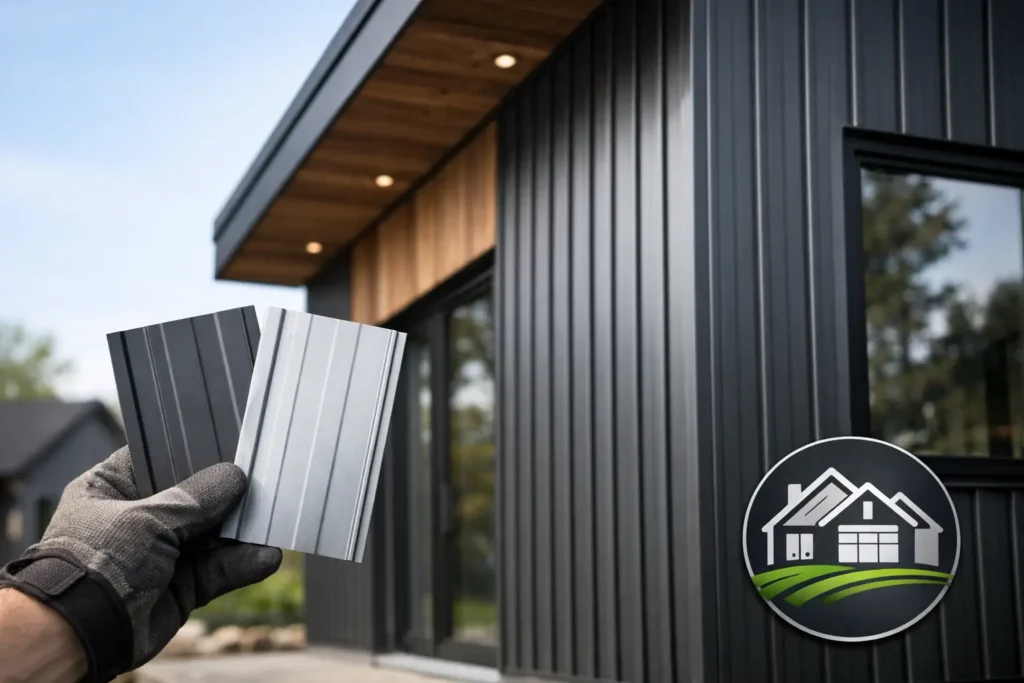
There is also the appearance factor. Years ago, some people thought metal siding looked too industrial for residential use. That is no longer the case. Modern profiles, colors, and finishes give homeowners more design flexibility than they expect, from clean contemporary lines to looks that fit more traditional homes.
What metal siding does well
The strongest argument for metal siding is straightforward – it is built for performance. Steel siding, in particular, is known for strength and impact resistance. Aluminum resists rust well and can be a good choice in certain environments. Both can offer long service lives when the product is quality-made and installed correctly.
Metal also handles fire better than many other siding materials. For homeowners thinking about overall building protection, that can be a meaningful advantage. Pests are another plus. Unlike wood products, metal does not provide a food source for insects, and it does not rot.
Energy performance can improve too, although this depends on the full wall system, not just the outer panel. Siding works best when it is part of a complete approach that includes proper insulation, air sealing, and moisture management. A homeowner should be cautious of anyone promising that metal siding alone will dramatically change utility bills. It can help, but the details matter.
Another practical benefit is lifespan. While exact numbers vary by product, finish, and conditions, metal siding is generally chosen by people who want to install it once and not revisit the decision anytime soon.
The trade-offs you should know before you buy
Metal siding has real advantages, but it is not perfect. Cost is usually one of the first considerations. Upfront pricing can be higher than some vinyl options, especially when you choose thicker panels, premium finishes, or more custom trim work. That does not necessarily make it more expensive in the long run, but it can raise the initial project cost.
Noise is another concern homeowners bring up. In most properly built wall systems, metal siding is not going to sound like rain hitting an old barn roof. Insulation, sheathing, and installation make a big difference. Still, sound can vary from one system to another, and it is fair to ask about that before committing.
Dents and scratches are worth discussing too. Aluminum is lighter and more corrosion-resistant in some situations, but it can dent more easily than steel. Steel is tougher, but if the finish is deeply damaged and left exposed, corrosion can become an issue over time. That is why product quality and finish quality matter just as much as the material itself.
Style can also be a trade-off depending on the house. Some homes wear metal beautifully. Others may need careful color and profile choices so the finished look feels intentional rather than out of place. The best projects match the siding to the architecture instead of forcing a trend onto the home.
Steel vs. aluminum siding
For most homeowners, the conversation comes down to steel and aluminum. Steel is often the first choice when strength and impact resistance are top priorities. It tends to feel more solid and can be a great fit for homeowners who want a hard-wearing exterior that stands up to demanding conditions.
Aluminum has its own strengths. It is lighter, naturally resistant to rust, and can be useful in environments where corrosion is a bigger concern. On the other hand, it is generally more prone to denting from hail or impact.
There is no universal winner. A lot depends on the location of the home, the expected wear and tear, and the product line itself. A good supplier or installer should explain what makes sense for your specific property instead of giving the same answer to everyone.
How metal siding compares to vinyl and wood
If you are choosing between popular siding materials, the real question is what you value most.
Vinyl is often attractive because of the lower upfront cost and broad availability. It can be a good option for budget-conscious projects. But depending on grade and conditions, it may not offer the same long-term toughness or premium feel as metal.
Wood has natural character that many homeowners still love. It can be beautiful, especially on older or more traditional homes. The trade-off is maintenance. Paint, moisture, insects, and ongoing repairs all have to be part of the equation.
Metal lands in the middle of those conversations as the practical, long-view choice. It may cost more at the start than basic vinyl, and it may not have the same natural texture as real wood, but it often wins with owners who want durability, lower maintenance, and strong overall value over time.
Installation matters more than most people realize
A quality siding product can still underperform if the installation is poor. That is especially true with metal. Trim details, fastening methods, moisture control, and how the siding interfaces with windows, doors, corners, and rooflines all affect the final result.
Bad installation can lead to oil-canning appearance issues, loose panels, water intrusion, or a finished job that simply looks rough. Good installation gives metal siding the clean, crisp look people want and helps protect the structure underneath.
This is one reason local experience matters. In Southwestern Pennsylvania, homes deal with freeze-thaw cycles, heavy rain, snow, humidity, and changing seasonal conditions. A contractor who understands those realities is more likely to recommend a siding system that performs well over time, not just one that looks good on day one.
What to ask before choosing a product
A homeowner does not need to become a siding expert overnight, but asking the right questions helps. Start with gauge or thickness, finish warranty, panel profile, trim package, and how the system handles moisture. Ask what maintenance is expected, how repairs are handled if a panel is damaged, and whether the color you want is a standard option or a premium upgrade.
It is also worth asking whether the siding choice fits the rest of the exterior plan. If you are replacing roofing, insulation, soffit, fascia, or gutters at the same time, those parts should work together. A good project plan looks at the whole envelope, not just one product category in isolation.
For homeowners who want both material supply and installation guidance, working with an experienced regional company can simplify the process. Tri County Door & Builders has built its reputation on helping property owners choose practical building solutions that fit the job, the budget, and the local conditions.
Is metal siding right for your house?
If your top priority is the lowest possible upfront price, metal may not be your first option. If your priority is long-term durability, less maintenance, and a clean finished appearance, it deserves serious consideration.
It is especially appealing for homeowners who are tired of repetitive exterior upkeep or who want a tougher siding material that can handle real weather. It can also make a lot of sense for garages, workshops, mixed-use properties, and homes where performance matters as much as curb appeal.
The best siding decision is rarely about what is trendiest. It is about what will hold up, look good, and make financial sense for the way you use your property. If metal checks those boxes for your home, it is not just worth considering – it may be the option that saves you money, stress, and repair calls for years to come.
Before you decide, take the time to compare materials, look closely at installation quality, and choose a system that fits your house instead of chasing a sales pitch. A good exterior should do more than look better from the road. It should make ownership easier.