




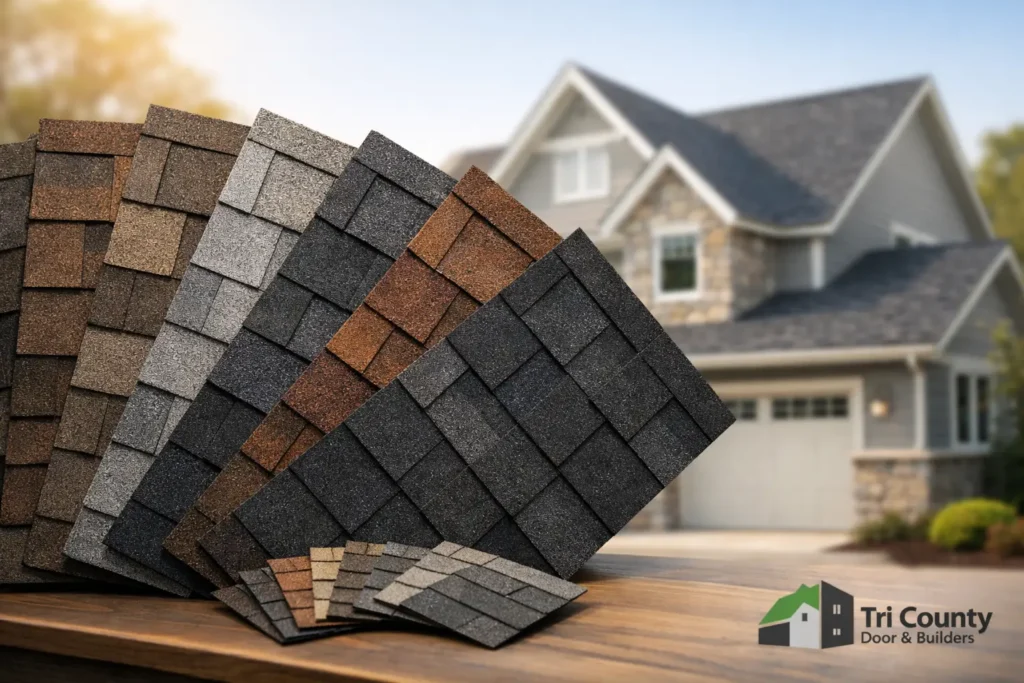
Picking a roof color sounds simple until you are standing there with sample boards in hand, looking at brick, siding, trim, gutters, and shutters that all have to work together. That is why homeowners spend so much time comparing Owens Corning shingles colors before they commit. A roof is a major investment, and the color you choose can affect curb appeal, resale value, and how satisfied you feel every time you pull into the driveway.
For most properties, this is not just about finding a color you like. It is about finding a color that makes sense for the style of the home, the surrounding landscape, and the materials already in place. In Southwestern Pennsylvania, it also helps to choose a shingle color that looks good through all four seasons, from bright summer sun to gray winter skies.
How to think about Owens Corning shingles colors
The easiest mistake is treating the roof as a separate design decision. In reality, your roof is one of the largest visible surfaces on the property. It needs to work with the rest of the exterior, not compete with it.
A good starting point is to look at the fixed colors that are not likely to change soon. Brick, stone, siding, fascia, trim, and garage doors matter more than decorative accents. Paint is easier to change later. Roofing is not. If your home has warm-toned brick or beige siding, brown, tan, or weathered wood tones often feel more natural. If the house leans cooler, with gray stone or white siding, charcoal, driftwood, and other cooler blends usually fit better.
The other thing to keep in mind is that shingles rarely read as one flat color from the ground. Many architectural shingles are blended, so a roof may show depth with a mix of grays, browns, blacks, or subtle shadow lines. That can be a real advantage because it helps tie together more than one exterior tone.
The most common color families and where they work best
Homeowners usually narrow their decision to a few color families instead of trying to compare every swatch at once. That is the smart way to do it.
Black and charcoal
Dark shingles remain one of the most popular choices because they are versatile and clean-looking. They pair well with white siding, gray siding, red brick, and many commercial-style buildings. A deep charcoal roof can make a house look sharper and more defined.
The trade-off is that a very dark roof creates stronger contrast. On some homes, that looks crisp and high-end. On others, it can feel too heavy, especially if the house already has dark siding or sits in a shaded setting.
Gray and driftwood tones
Gray blends are often the safest middle ground. They work with cool-toned siding, natural stone, and many neutral color schemes. Homeowners who want something flexible without going too bold often land here.
Gray also tends to age well from a style standpoint. It does not chase trends too hard, and it is easier to coordinate if you update your siding, trim, or doors later.
Brown, tan, and weathered wood shades
These colors are especially strong on homes with warm brick, cream siding, tan exteriors, or rustic building styles. They can soften the overall look of the roof and make the home feel grounded rather than stark.
If your property includes barns, garages, or other outbuildings, brown-toned shingles can also blend nicely with a more rural setting. That matters for many property owners who want the whole site to feel consistent, not pieced together.
More distinctive blends
Some Owens Corning shingles colors have stronger contrast or more noticeable color variation. These can add character, especially on larger homes or houses with simple siding where the roof needs to carry more visual interest.
That said, a bolder blend is not always better. If your exterior already has several materials or competing colors, a quieter roof usually gives a better result.
Matching roof color to siding, brick, and trim
This is where the decision becomes practical.
If your house has white siding, you have the widest range of options. Black, charcoal, gray, and many brown blends can all work. The question becomes whether you want high contrast or a softer, more traditional look.
If you have beige, cream, or tan siding, warm-toned shingles usually feel more natural. Browns, muted tans, and weathered wood shades tend to connect the exterior better than a cool gray. A cooler roof can still work, but it needs the right trim or stone accents to bridge the gap.
For red brick homes, charcoal and black are common for a reason. They give a classic, stable look and usually do not clash with the warm tones in the brick. Brown blends can also work well, especially if the brick is more muted or mixed with tan mortar.
Gray stone or mixed stone exteriors are a little different. Those homes often benefit from cooler gray shingles that echo the stone rather than overpower it. If the stone has brown or taupe undertones, a warmer blend may still be the better fit.
Trim matters more than many people expect. A roof does not just meet your siding. It also frames against fascia, soffit, and gutters. If all those details are bright white, the roof may appear darker and more pronounced. If they are tan, bronze, or black, the roof can feel more integrated.
What looks good on a sample may look different on a roof
This is one of the biggest reasons people second-guess their choice. A small shingle sample seen indoors is not the same as a full roof viewed outside.
Sunlight changes everything. So does roof pitch. A steep roof shows more color and texture from the street. A low-slope visible roof may read darker and flatter. Trees, nearby buildings, and even the color of your driveway can influence how the roof appears.
That is why it helps to view samples outdoors and compare them against your siding or brick in natural light. Morning, afternoon, and overcast conditions can each make the same shingle look a little different. In a region where cloudy days are common, that practical view matters more than showroom lighting.
Style should matter, but not more than the house itself
Homeowners often ask what color is most popular. That can be useful, but it should not be the deciding factor.
A farmhouse, ranch, colonial, and light commercial building do not all carry color the same way. Dark shingles may look right on a sharp, updated home with black trim, while a softer gray or brown blend may fit better on a traditional home with warmer materials. Popular choices are popular because they work in many settings, not because they are automatically best for yours.
Resale is worth considering too. If you plan to stay for decades, personal preference matters. If you may sell in the next few years, staying within broadly appealing neutral color families is usually the safer move.
Price, availability, and timing can affect the final decision
Color selection is partly a design choice, but it also connects to budget and project timing. Some colors are in higher demand than others, and availability can shift with season and supply. That does not mean you should settle for the wrong roof color, but it does mean it helps to make your selection with both looks and logistics in mind.
For homeowners replacing an aging roof, the best value often comes from balancing appearance, product quality, and current pricing. Tri County Door & Builders has been helping local property owners sort through those decisions with straightforward guidance, and with a 30% off Owens Corning shingles campaign, the conversation becomes even more practical. Saving money matters, but so does getting a color you will be comfortable with for years.
A simple way to narrow it down
If you feel stuck, reduce the decision to three questions. First, is your exterior overall warm, cool, or mixed? Second, do you want the roof to stand out or blend in? Third, are you choosing for your own long-term taste or for broader resale appeal?
Those answers usually narrow the field quickly. From there, you can compare a few color families instead of every option on the board. Most homeowners do not need twenty choices. They need the right two or three.
When expert guidance helps most
Some homes are easy to match. Others are not. Mixed brick and siding, older additions, detached garages, and commercial or agricultural buildings often create more color coordination challenges than expected.
That is where product knowledge matters. A good recommendation is not just about naming a popular shingle color. It is about looking at the whole property, understanding the materials already there, and helping you avoid a mismatch that will bother you every time you see it.
The right roof color should feel settled, not questionable. If you are comparing Owens Corning shingles colors, take your time, view them in real light, and make the choice that fits your property as it actually stands – not just what looked best on a sample card. A roof is too visible and too important to pick on guesswork alone.