




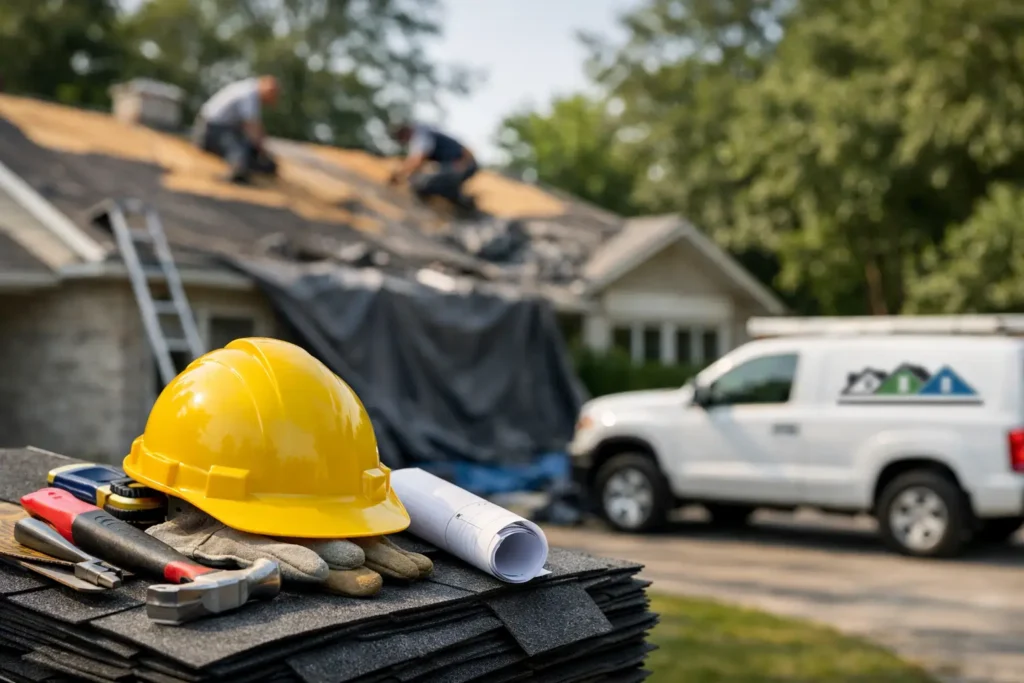
A roof replacement does not start when the crew climbs the ladder. It starts a week or two earlier, when you make the job easier, safer, and less stressful for everyone involved. If you are wondering how to prepare roof replacement projects the right way, the goal is simple: protect your property, reduce delays, and know what to expect before tear-off begins.
That matters even more in Southwestern Pennsylvania, where weather can shift fast and roofing systems take a beating from rain, snow, wind, and temperature swings. A little preparation up front can prevent damaged landscaping, blocked driveways, and last-minute scrambling once materials arrive.
How to prepare for roof replacement before materials show up
The first step is confirming the scope of the work. Make sure you understand whether your contractor is replacing shingles only, repairing decking as needed, updating flashing, replacing ventilation components, or installing entirely new underlayment and accessories. Homeowners sometimes assume everything on the roof is included, then get surprised when rotten wood or chimney flashing becomes a separate conversation.
It also helps to ask how the crew plans to protect your siding, windows, gutters, and landscaping. A dependable contractor should be able to explain where materials will be delivered, where dumpsters or trailers will sit, and how cleanup will be handled each day. This is especially important if your home has flower beds close to the foundation or limited driveway space.
If you have not already done it, now is the time to review the contract, warranty details, payment schedule, and estimated timeline. Roofing schedules can move because of weather, and that is normal. What you want is clear communication, not unrealistic promises.
Clear the outside work area
Most of the disruption from a roof replacement happens around the outside of the house. Crews need room to stage materials, move ladders, tear off old roofing, and clean up nails and debris. If your driveway, yard, or access points are crowded, the project can slow down or become less safe.
Move vehicles out of the driveway and away from the house, especially if roofing debris will be dropped into a trailer or dumpster. If you have a detached garage, shed, or barn near the main structure, ask whether it could affect access or material placement. The same goes for basketball hoops, patio furniture, grills, potted plants, and anything else that can get damaged by falling debris or dust.
Take a look at your attic and exterior too. Tree limbs hanging over the roof may need trimming before the job starts. Low branches can interfere with ladders and make it harder for installers to work efficiently. If your property has gates, let the contractor know in advance about access limits, pets, or any soft ground that may be an issue after rain.
Protect landscaping and outdoor items
Roofing crews do their best to protect the property, but tear-off work is messy by nature. Shingles, nails, and small debris can bounce farther than people expect. Cover delicate shrubs or flower beds if they sit directly below roof edges, and move lightweight planters or decorations farther from the house.
If you have outdoor lighting, holiday décor, or mounted items near the roofline, remove them before the crew arrives. Satellite dishes and antennas may also need to be addressed depending on where they are attached. That is not always part of the roofing contract, so it is better to ask early than deal with it on installation day.
Prepare the inside of your home
One part of how to prepare for roof replacement that homeowners often overlook is the interior. A roof tear-off can cause vibrations throughout the house. Nails may pop loose in older homes, dust can shake down from attic spaces, and wall hangings can shift if they are not secure.
Walk through the top floor of your home and remove fragile items from walls, shelves, and mantels. If you have pictures or mirrors in rooms directly under the roofline, take them down for the day. In the attic, cover stored belongings with drop cloths or old sheets. Even with solid decking, dust and small particles can fall during the work.
If you work from home, plan for noise. Roof replacement is loud. There will be pounding, scraping, compressor noise, and foot traffic overhead for much of the day. If you have important calls, online meetings, or a baby on a nap schedule, it may make sense to arrange another place to be while the crew is working.
Think about kids and pets
Children and pets usually do best away from the immediate work zone. The constant noise can be stressful, and exterior doors may be opening and closing throughout the day. Dogs in particular can get anxious from the vibration and unfamiliar activity.
If possible, arrange for pets to stay with family, at daycare, or in a quiet part of the house away from the work area. Let kids know ahead of time that they should stay clear of ladders, dumpsters, and material stacks. A roof job is not the time for curiosity in the yard.
Plan for power, access, and communication
Good preparation is not only about moving things out of the way. It is also about making sure the crew can work without unnecessary interruptions. Ask whether they will need access to power outlets, the garage, or the attic. Some contractors bring everything they need, while others may need limited access to certain areas.
Make sure your phone is on and that the contractor has the best number to reach you. If you will be away during the installation, let them know how to contact you if decking damage or other hidden issues are uncovered. Roof replacements often reveal conditions that cannot be fully confirmed until the old materials come off.
This is where local experience matters. Homes and outbuildings across Fayette, Somerset, and Westmoreland counties can vary a lot in age, framing, ventilation, and previous repair history. A contractor who understands regional building conditions is usually better prepared to spot issues and keep the project moving without turning every surprise into a major problem.
Budget for the things that can change
Every property owner wants a firm price, and a good estimate should be detailed. Still, roofing has some built-in variables. If plywood or boards under the shingles are soft, they may need replacement. If flashing around chimneys, skylights, or valleys is failing, that may add to the scope. If ventilation is inadequate, fixing it now can improve the life of the new roof.
That does not mean your project should turn into an open-ended expense. It means you should ask what is included, what is considered extra, and how change orders are handled. The best time to talk about possible add-ons is before the crew starts, not when your roof is half torn off.
If you are comparing bids, look carefully at material quality and installation details. A lower number is not always the better value if it leaves out underlayment upgrades, ice and water protection, or proper ventilation work. In many cases, paying a little more up front saves money on repairs and premature wear later.
For homeowners considering new shingles, product selection can affect both performance and price. Some brands and systems offer stronger warranties, better wind resistance, or improved color options. If affordability is part of the decision, ask what current promotions may apply. For example, Tri County Door & Builders is offering 30% off Owens Corning shingles, which can make a full replacement more manageable without cutting corners on quality.
What to expect on installation day
By the time installation day arrives, your job is mostly to stay informed and keep the site accessible. Expect early material delivery in many cases. Expect noise, vibration, and steady activity around the home. And expect that cleanup, while thorough, is still a process that may continue until the end of the day.
Do one final walkaround before the crew begins. Check that vehicles are moved, gates are unlocked if needed, and outdoor items are clear. After the project is complete, walk the property with the contractor if possible. Ask about ventilation, flashing, cleanup methods, and any repairs made to the roof deck.
A roof replacement is a major investment, but it should not feel chaotic. When you prepare well, the project moves faster, communication improves, and you are more likely to get the result you paid for. A little planning goes a long way toward protecting your property and giving your new roof the right start.
If your roof is getting close to the end of its life, do not wait until a leak forces a rushed decision. A clear plan, the right materials, and a contractor who knows the area can make the whole process a lot more straightforward.