


A metal roof can look straightforward from the road. Underneath that finished surface, though, the right panel profile, trim package, fasteners, underlayment, and ventilation details are what decide whether the roof holds up for decades or starts giving you trouble early. If you are looking for metal roofing supply Greensburg property owners can count on, it helps to know what separates a solid package from a cheap one.
In Western Pennsylvania, roofing materials do not get an easy job. Snow load, freeze-thaw cycles, steady rain, summer heat, and wind all test a roof year after year. That is why buying metal roofing is not just about picking a color and ordering panels. It is about matching the system to the building, the slope, the budget, and the level of performance you expect.
What matters most in metal roofing supply Greensburg
The biggest mistake buyers make is treating metal roofing like a single product. It is a system. Panels are only one piece of it, and not always the most important one. If the trim is wrong, the fasteners are poor quality, or the layout is not measured carefully, even a good-looking roof can become a problem.
For homeowners, that usually means balancing appearance, lifespan, and price. For farmers, builders, and commercial owners, the focus is often long-term durability and practical installation. Both approaches are valid, but they lead to different product choices.
A reliable supplier should help you sort through those decisions instead of pushing one standard option onto every project. A house, a detached garage, a pole building, and a small commercial structure may all use metal roofing, but they do not always need the same panel type or accessory package.
Choosing the right metal roof for the building
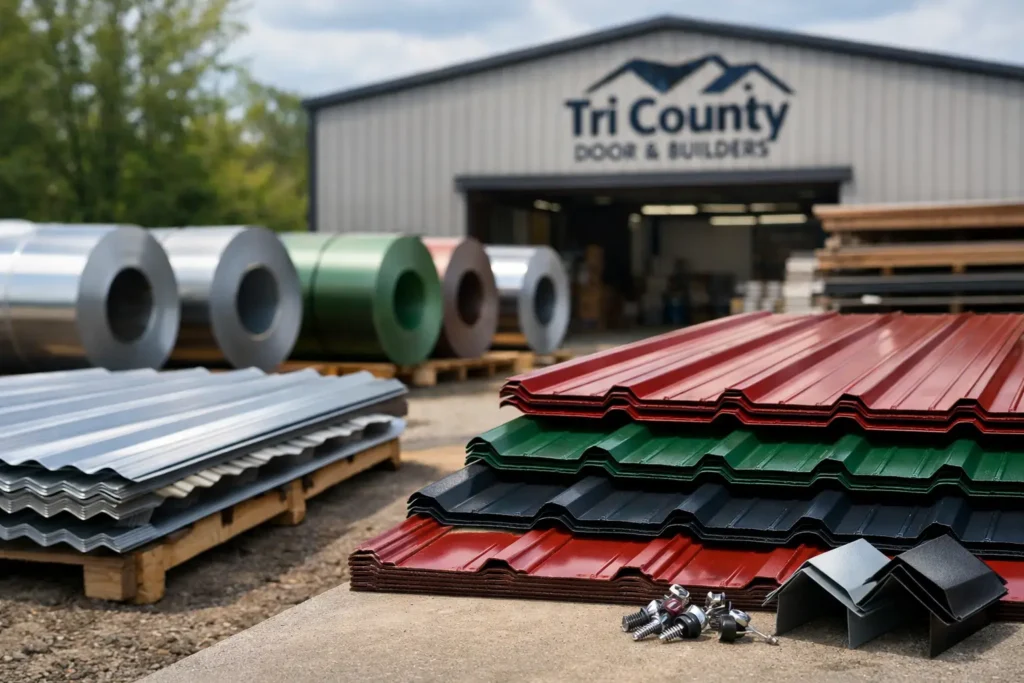
Not every metal roof is built the same. Exposed fastener panels are often a cost-effective fit for barns, garages, workshops, and many agricultural buildings. They are practical, widely used, and can perform well when installed correctly. They are also usually more budget-friendly upfront, which matters on larger footprints.
Standing seam systems offer a cleaner look and conceal the fasteners, which many homeowners prefer. They can provide a more finished appearance for residential properties and certain commercial applications. The trade-off is cost. Materials and labor are generally higher, so it makes sense to ask whether that upgrade fits your priorities and the value of the building.
Panel gauge, paint finish, and profile also matter. A lower price can sometimes reflect thinner material or a finish that may not hold color as well over time. That does not mean every premium option is necessary, but it does mean you should compare more than the base quote.
For some projects, especially simple outbuildings, a standard exposed fastener system is the right call. For others, curb appeal and lower maintenance may justify spending more. It depends on how long you plan to keep the building, how visible the roof is, and how hard that roof is going to work in local weather conditions.
Residential projects need different advice than farm and commercial roofs
A homeowner replacing an aging roof usually cares about appearance, noise concerns, resale value, and whether the system works well with the home’s structure. A farm owner may care more about coverage area, delivery timing, and making sure trim and closures are right the first time. A commercial property manager may need dependable product availability and support that keeps a project moving.
That is why local product guidance matters. It saves time, prevents ordering mistakes, and keeps you from paying for upgrades that do not add much value to your specific building.
The materials that make or break the roof
When people compare quotes, they often focus on panel pricing. That is understandable, but a roof package is more than panels. Ridge cap, rake trim, eave trim, pipe boots, sealants, closures, fasteners, underlayment, and ventilation components all affect performance.
Fasteners are a good example. Lower-quality screws can fail sooner, back out, or allow moisture intrusion. That may not show up on day one, but it shows up later. The same goes for trim. If trim is poorly formed or mismatched to the panel profile, water management becomes a weak point.
Underlayment is another area where cutting corners can cost you. In a region that sees wet weather and winter swings, the layer beneath the metal matters. It adds protection and can improve the overall performance of the system, especially in vulnerable areas.
A dependable supplier will help make sure all the pieces work together. That sounds basic, but it is one of the biggest advantages of working with people who understand roofing systems instead of simply moving inventory.
How pricing really works
If you have requested prices from more than one source, you have probably noticed that numbers can vary more than expected. That does not always mean one company is overpriced and another is a bargain. Sometimes the quotes are not built the same way.
Roof size is only the starting point. Complexity matters. Valleys, dormers, chimney areas, pitch changes, and edge details affect material needs and waste. Color choice can affect price in some cases. Panel profile and gauge can as well. Then there is the question of whether you are buying materials only or also need installation support.
Lead times and availability also matter. If a low price means delays, substitutions, or missing components, the savings can disappear quickly. Contractors and builders know this well. A project that stalls because one detail was left out can cost more than paying a fair price for a complete order the first time.
For property owners trying to keep costs under control, the smart move is not always the lowest figure. It is the quote that clearly explains what is included, fits the building, and avoids expensive surprises later.
Why local supply is worth something
Buying roofing materials from a nearby regional supplier is not just about convenience. It often means better guidance, easier communication, and support that makes sense for the conditions your building actually faces.
Greensburg-area customers are dealing with the same basic weather realities across Westmoreland County and surrounding communities. Snow retention concerns, wind exposure, drainage details, and seasonal timing all influence how a metal roof should be planned. Local experience helps because advice is based on jobs like yours, not a generic nationwide script.
It also helps when there is a question after the sale. If you need clarification on trim, a missing component, or advice on matching materials for an addition, local support tends to be more practical and responsive than working through a distant call center.
Tri County Door & Builders has built its reputation around that kind of service – straightforward help, dependable products, and practical recommendations that fit the job instead of forcing a one-size-fits-all answer.
Questions to ask before you place an order
Before you commit to a supplier, ask how the roof package is measured and whether the trim, closures, and fasteners are matched to the panel system. Ask what material thickness and finish you are getting. Ask whether the order is geared toward a home, a pole building, or a commercial structure, because those details should affect the recommendation.
If you are hiring an installer separately, make sure the materials package reflects the installer’s method and the building’s layout. If you are handling a DIY job, clear instructions and accurate takeoffs matter even more. An avoidable ordering mistake can erase the savings of doing the work yourself.
And if you are comparing metal against shingles, be honest about goals. Metal often offers excellent longevity, but shingles can still be the better fit on some homes depending on style, budget, and project timing. A good supplier should be able to talk through both options plainly. That kind of guidance matters, especially when affordability is part of the decision.
When a cheaper roof ends up costing more
The most expensive roofing problems often start with small shortcuts. Wrong trim. Incomplete accessory packages. Low-grade screws. Poor planning around penetrations or ventilation. These are not dramatic decisions in the moment, but they can shorten the life of the roof or create leaks that lead to interior damage.
That does not mean every project needs the highest-end system available. It means the materials need to match the building and be specified correctly. There is a practical middle ground between overspending and buying trouble.
For many buyers, that is the real value in choosing the right metal roofing supply in Greensburg. You are not just purchasing panels. You are getting the guidance that helps the whole roof perform the way it should.
If you are planning a new roof, an outbuilding, or a replacement project, take the extra time to ask better questions before you buy. The right materials package will save headaches long after the delivery truck leaves.