


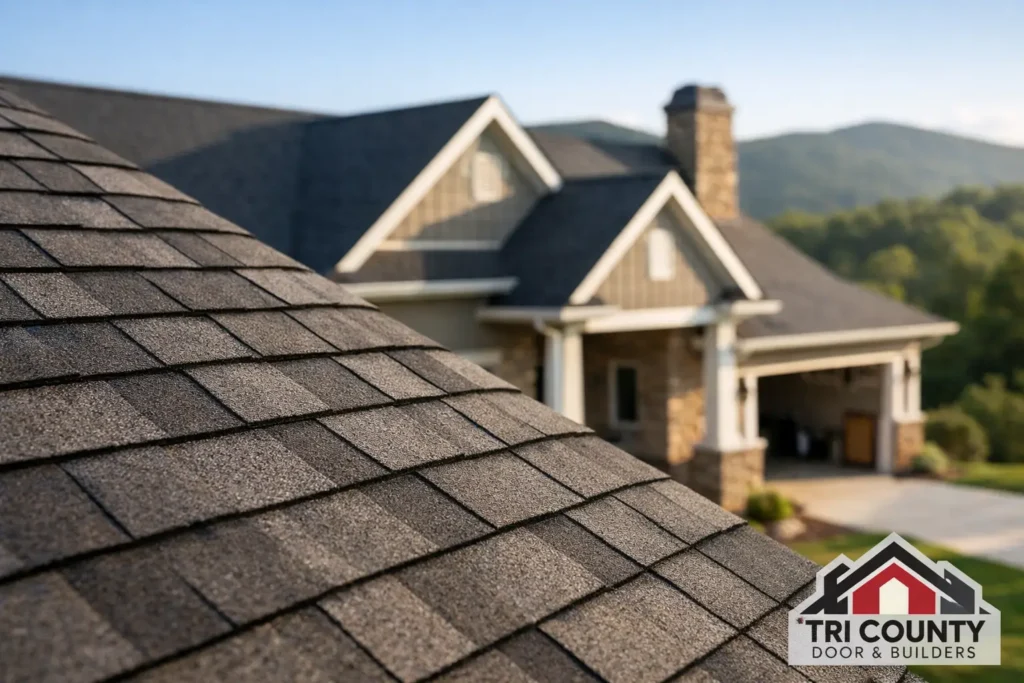
If your roof in Johnstown is showing age, you usually know it before a leak turns into a bigger problem. Granules in the gutters, shingles lifting after a storm, dark streaks, or missing tabs are all signs that it may be time to look seriously at roof shingles Johnstown property owners can count on for real weather protection. In this part of Pennsylvania, a roof has to do more than look good from the road. It has to hold up through wind, snow, rain, freeze-thaw cycles, and long stretches of damp conditions.
That is why choosing shingles is not just about color or the lowest estimate. The right roof depends on your building, your budget, and how long you plan to stay in the property. A good decision now can save you from repeat repairs, interior damage, and the frustration of replacing a roof sooner than expected.
What matters most with roof shingles in Johnstown
Johnstown homes and small commercial buildings deal with a climate that can be tough on roofing materials. Winter snow loads, spring rain, summer heat, and strong wind events all put pressure on the system. That makes shingle quality, underlayment, ventilation, and installation just as important as the shingle style itself.
For most properties, asphalt shingles remain the practical choice. They are cost-effective, widely available, and come in product lines designed for different wind ratings, impact resistance, and curb appeal. They also make sense for homeowners who want a dependable result without stepping into the higher price range of specialty roofing systems.
Still, not all asphalt shingles are equal. Basic three-tab shingles can work on some projects, but architectural shingles are often the better fit for homes in this region. They are thicker, typically more durable, and usually provide a more dimensional look. In many cases, the added cost up front is worth it because the roof holds its appearance better and often performs longer.
Choosing the right shingle for your roof
The best shingle is not always the most expensive one. It is the one that fits the structure, the exposure, and the owner’s priorities.
Architectural shingles for everyday durability
Architectural shingles are the most common recommendation for residential re-roofing, and for good reason. They strike a solid balance between cost and performance. Homeowners usually choose them when they want a roof that looks better than a basic strip shingle and offers stronger long-term value.
They also tend to handle wind and weather better than entry-level options. If your home sits in an exposed area or has already had trouble with shingle loss during storms, moving up to an architectural product often makes sense.
Premium shingles for appearance and longer-term value
Some homeowners want a roof that adds more visual character, especially on larger homes, steep-pitch roofs, or properties where resale matters. Premium designer shingles can provide that higher-end look while still delivering asphalt-shingle practicality.
The trade-off is price. If budget is tight, premium shingles may not be the best use of your money. In many cases, it is smarter to invest in a strong mid-tier shingle with proper ventilation and quality installation than to overspend on looks alone.
Brand matters, but system matters more
Trusted brands such as Owens Corning, GAF, and TAMKO are popular because they have proven product lines and established warranty support. That matters. But even a good brand can disappoint if the roof system is poorly installed or if key components are skipped.
Underlayment, starter shingles, ridge venting, ice and water protection, and proper nailing patterns all affect performance. A roof is a system, not just a bundle of shingles.
Roof shingles Johnstown buyers should compare carefully
It is easy to get overwhelmed when quotes start coming in. One estimate looks cheaper, another includes upgraded materials, and a third promises a longer warranty. On paper, they may all look close. In reality, they can be very different jobs.
When comparing roof shingles Johnstown contractors or suppliers recommend, ask what is actually included. Are old materials being fully torn off, or is there a layover? Is the quote including proper ventilation updates? Are flashing details part of the price? What underlayment is being used? These details affect both cost and lifespan.
The lowest bid can be tempting, especially when a roof replacement was not planned. But low numbers are often created by cutting corners somewhere – thinner products, less prep work, fewer accessories, or rushed labor. That can turn a cheaper project into a costly one if problems show up a few years later.
A fair quote from a local company with product knowledge is usually the safer path. You want someone who can explain why a certain shingle line fits your roof, not just hand you three color samples and a price.
How local weather affects shingle performance
Southwestern Pennsylvania weather has a way of exposing weak points. Ice dams can back water up along roof edges. Heavy rain can test flashing around chimneys and valleys. Wind can catch poorly sealed shingles. Humidity and shade can contribute to algae streaking and moisture-related wear.
That is why installation details matter so much here. Proper attic ventilation helps reduce trapped heat and moisture. Ice and water protection in vulnerable areas helps guard against winter damage. Correct shingle placement and fastening help the roof resist wind uplift.
Even the color you choose can play a role, though not as much as some sales pitches suggest. Darker shingles may absorb more heat, while lighter shades can slightly reduce heat gain. For most homeowners, appearance and product quality will have a bigger impact on satisfaction than small energy differences in shingle color alone.
When repair makes sense and when replacement is smarter
Not every roof needs to be replaced right away. If damage is limited to a small area and the rest of the roof is still in good condition, a repair can be the practical choice. That is especially true after isolated storm damage or when a flashing issue is causing a leak.
But repairs have limits. If shingles are brittle, curling, losing granules across large sections, or reaching the end of their expected service life, patchwork usually becomes a short-term fix. You spend money to keep an aging roof going, but the underlying problems remain.
A full replacement often makes better financial sense when recurring leaks start adding up or when the roof has visible, widespread wear. It also gives you the chance to improve ventilation and replace weak components that repairs may not address.
Why timing matters more than many owners expect
A lot of roof replacements happen later than they should. Owners wait until a ceiling stain appears or a storm tears off a section. By then, the project can become more urgent and more expensive.
Planning ahead gives you better options. You have time to compare products, schedule work at a practical time, and make decisions based on value instead of pressure. That also reduces the chance of interior damage, insulation problems, or decking issues developing beneath worn shingles.
If your roof is showing age but has not failed yet, this is usually the best time to get it evaluated. You can make a calm decision before the situation becomes a rush job.
Getting the best value without sacrificing quality
For many property owners, budget is the biggest concern, and that is understandable. Roofing is a major investment. The goal is not to buy the cheapest shingles available. The goal is to get the best long-term value for the money you spend.
That often means choosing a proven product from a trusted manufacturer and having it installed by people who understand regional conditions. It also means looking at current promotions when they genuinely lower the cost of a quality roof. For example, Tri County Door & Builders is offering 30% off Owens Corning shingles, which can make a strong roofing system much more attainable for homeowners trying to avoid inflated Pittsburgh-area pricing.
Savings matter, but only if the roof still performs. A discounted quality product is a smart buy. A cheap roof that fails early is not.
What to ask before you move forward
Before committing to a roofing project, ask direct questions. How old is the existing roof likely to be? Is the decking in good shape? What shingle line is being proposed, and why? What warranty coverage applies to both materials and workmanship? Who is handling installation, and what happens if hidden damage is found during tear-off?
Straight answers tell you a lot about the company you are dealing with. You want clear recommendations, not vague promises. A dependable contractor or supplier should be able to explain the trade-offs in plain language and help you choose a roof that fits your property instead of overselling you.
A good roof does more than cover a building. It protects everything under it, helps preserve property value, and gives you one less thing to worry about when the weather turns. If you are considering new shingles, the smartest next step is to look at your roof honestly, ask the right questions, and choose a system built for how Johnstown properties actually get used.