



A metal roof can last for decades, but only if the metal roofing supply behind it is chosen with some care. Most roofing problems do not start with the panel itself. They start with mismatched trim, wrong fasteners, poor underlayment choices, or buying from a source that cannot answer basic jobsite questions when they matter.
That is where a lot of property owners get stuck. They know they want a roof that holds up to wind, rain, and tough winters, but the buying process gets crowded fast. Profiles, gauges, coatings, closures, screws, ventilation, delivery timing – it adds up quickly. If you are buying for a home, farm building, garage, shop, or commercial property, the smartest move is to treat the whole roofing system as one package, not a stack of separate parts.
What metal roofing supply really includes
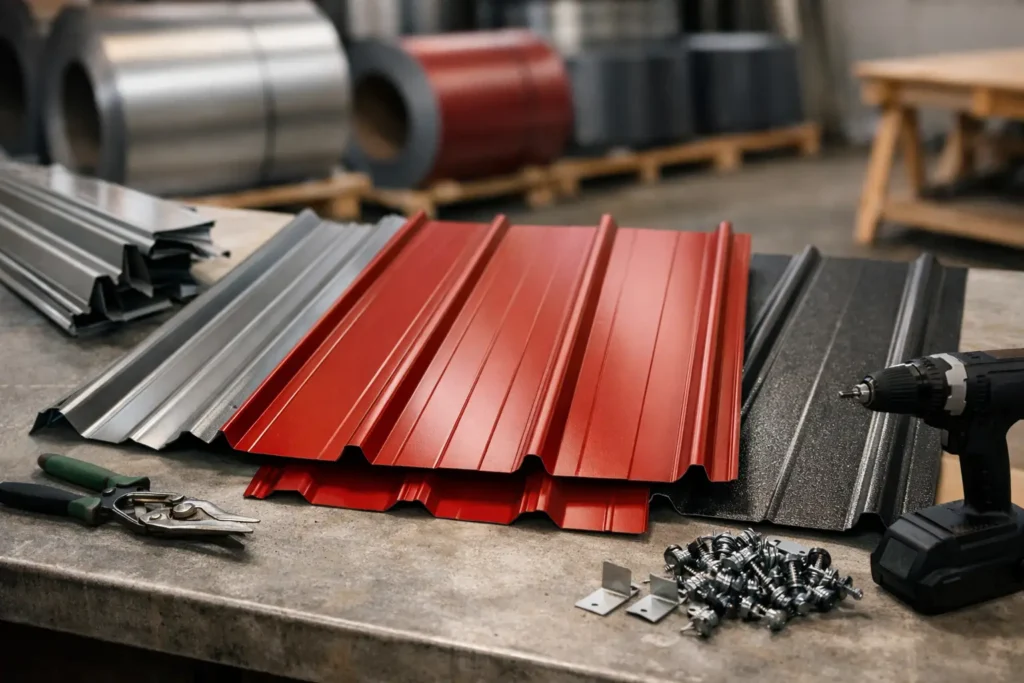
When people say metal roofing supply, they often mean panels. Panels are the visible part, but they are only one piece of the job. A complete supply package usually includes panels, ridge cap, rake trim, eave trim, valley metal, pipe boots, sealants, closures, underlayment, and the correct screws or concealed fastening components.
If even one of those pieces is wrong, the roof can look fine on day one and still develop problems later. A cheap screw with a failed washer can create leaks. Trim that was bent incorrectly can leave vulnerable edges. Underlayment that does not match the roof design can affect moisture control and performance. That is why experienced suppliers do more than quote square footage. They help account for the entire assembly.
Start with the building, not the color chart
Color matters, and curb appeal matters too. Still, the first questions should be about the building itself. Is the roof steep or low slope? Is it a heated home, an unheated pole building, or a commercial structure with different ventilation needs? Is this a re-roof over shingles, or a full tear-off? What kind of weather exposure does the property get?
In Southwestern Pennsylvania, roofs deal with a little of everything – snow load, freeze-thaw cycles, heavy rain, summer heat, and the occasional strong wind event. A supply package that works well for a backyard shed may not be the right fit for a residence or an agricultural building. The right supplier should ask questions before recommending products. If they are not asking, that is a sign to slow down.
Panel profile and gauge make a difference
Not all metal panels are built for the same application. Exposed-fastener panels are a practical choice for many barns, garages, workshops, and some residential projects. They are typically more budget-friendly and easier to install. Standing seam systems usually cost more but offer a cleaner look and different performance advantages, especially on homes and higher-end projects.
Gauge matters too, but it is not a simple case of thicker always being better. Heavier gauge panels can add durability, but project type, span, support structure, and budget all matter. The best choice depends on where the roof is going and what you expect from it over time.
The parts people forget when buying metal roofing supply
The panel order gets attention because it is easy to measure and price. The details get ignored because they are less visible. That is usually where trouble starts.
Trim should be job-specific, not guessed at from a generic shelf option. Closures should match the panel profile so wind-driven rain and insects do not find easy openings. Fasteners need to be compatible with the panel system and installed in the right locations. Sealants and flashing materials should be selected for long-term weather exposure, not just short-term convenience.
Ventilation also deserves more attention than it gets. A metal roof that is installed over a poorly ventilated attic can still have moisture problems, condensation issues, or reduced system life. Roof performance is tied to what happens underneath the panels just as much as what happens on top of them.
Why local supply knowledge matters
A national warehouse can sell roofing materials. That does not always mean they are helping you build the right roof. Local suppliers tend to understand regional weather patterns, common building styles, and the practical questions that come up during installation.
That matters when a contractor needs matching trim turned around quickly, or when a homeowner is trying to compare metal against shingles for a detached garage, house, or farm structure. It also matters when you need someone who can explain the trade-offs clearly instead of pushing the most expensive option in the catalog.
A dependable local supplier should be able to help with takeoffs, product matching, lead times, and brand guidance. If installation services are also available, that can simplify the entire project because the materials and the labor are being planned together instead of in separate conversations.
Metal roofing supply for homeowners vs. contractors
Homeowners and contractors often buy the same categories of material, but they need different kinds of support. A homeowner may need help understanding system choices, budget ranges, and maintenance expectations. A contractor may already know the profile and panel specs but need reliable stock, accurate orders, and fast service.
Good suppliers can serve both without talking over either one. That means plain-language explanations for first-time buyers and solid technical accuracy for experienced crews. It also means recognizing when a customer wants a DIY package and when they are better off with professional installation.
That middle ground matters. Some projects are ideal for a capable do-it-yourself buyer with the right tools and time. Others involve roof geometry, safety risks, or flashing details that are better handled by an experienced installer. Honest guidance saves money in the long run, even if it means steering someone away from the quickest sale.
Cost matters, but value matters more
People often compare metal roofing supply based on panel price alone. That is understandable, but it is not the best way to judge value. A lower quote may leave out trim, underlayment, closures, or enough fasteners. It may also involve thinner material, weaker coating performance, or longer lead times that hold up the project.
A better comparison looks at the complete package. What brand or panel system are you getting? What finish warranty applies? Are accessories included and matched correctly? Is there support if something arrives short or damaged? Can the supplier help if the job changes once tear-off starts?
That does not mean the highest quote is automatically the best. It means the cheapest number is not the full story. In roofing, replacement and repair costs usually make poor buying decisions more expensive later.
When metal is the right fit – and when it may not be
Metal roofing is a strong option for many homes, agricultural buildings, garages, and commercial structures. It offers durability, long service life, and strong performance in tough weather. It can also be a smart choice for owners who want less ongoing maintenance than some other roofing materials require.
Still, it is not one-size-fits-all. Some homeowners prefer the look or upfront price point of shingles. On certain residential projects, architectural shingles from proven brands may be the better fit, especially when budget is tight or the house style calls for a different finish. That is why a trustworthy supplier or installer should be comfortable talking through both options instead of forcing every customer toward metal.
Tri County Door & Builders works with customers who need that kind of practical guidance, whether the project calls for metal panels, shingles, or a broader building package. The goal should always be the right fit for the property, not a canned recommendation.
How to buy metal roofing supply with fewer surprises
The smoothest projects usually start with better planning. Get accurate roof measurements, including overhangs, valleys, penetrations, and ridge lengths. Confirm whether you need a tear-off or install-over approach. Know the structure you are roofing and how it is ventilated. Ask what accessories are included and what is not.
It also helps to ask a few plain questions before placing the order. What panel profile is best for this building? What gauge and finish are recommended? Are all trim pieces custom matched? What is the realistic lead time? Who do you call if the order needs adjustment mid-project?
Those questions are not nitpicking. They are the difference between a roof package that arrives ready for the job and one that creates delays, extra trips, and avoidable leaks.
A good roof starts long before the first panel is fastened down. It starts with buying from people who understand the whole system, know the local conditions, and are willing to tell you what fits your building best. That kind of advice is worth just as much as the material on the truck.