




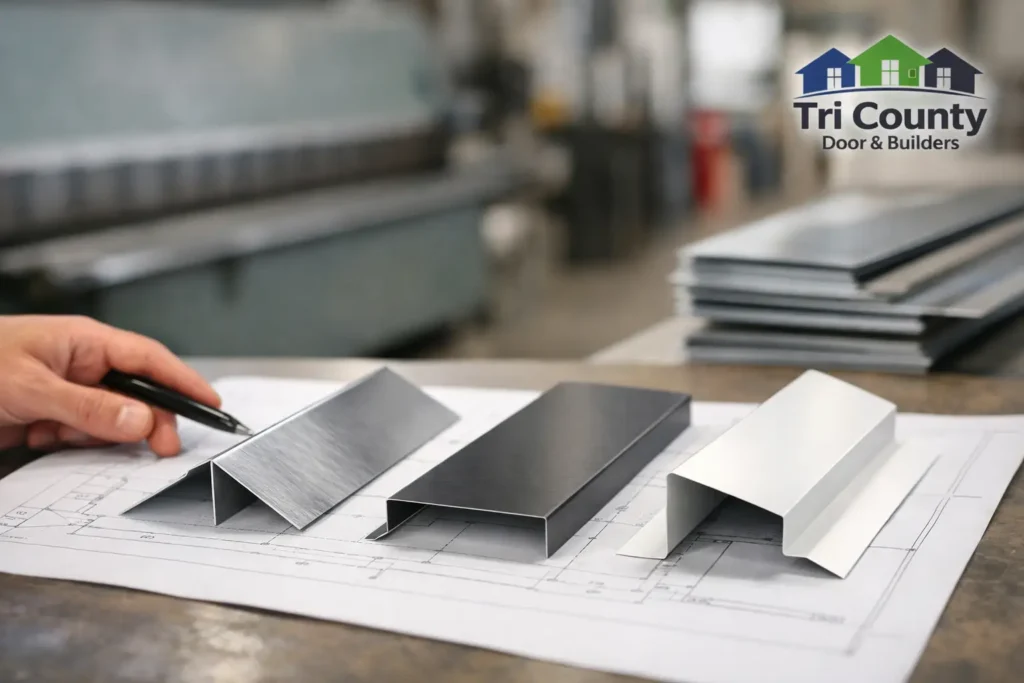
Ordering trim sounds simple until the pieces show up an inch short, the bend is backwards, or the color is close but not right. That is usually when people start asking how to order metal trim the right way. A little planning upfront saves time, wasted material, and the headache of trying to make the wrong trim work on a finished roof, wall, or building.
Metal trim does more than clean up the edges. It helps seal transitions, protect vulnerable areas from weather, and give the job a finished look. On homes, garages, pole buildings, and commercial structures, the trim package has to match the panel profile, fit the structure, and handle local weather conditions. If one detail is off, the whole job can slow down.
How to order metal trim for the right fit
The first thing to know is that metal trim is not one-size-fits-all. Even when two buildings look similar, the trim dimensions, bend angles, hemmed edges, and lengths can be different. Ordering correctly starts with knowing exactly where each piece will be used.
For example, ridge cap, drip edge, rake trim, corner trim, base trim, gable trim, and J-channel all serve different purposes. You cannot simply swap one for another because the names sound similar. Each profile is designed to cover a specific transition or edge, and the bend pattern matters just as much as the color.
That is why the best first step is to identify every trim location on the project before you ask for pricing. Walk the building or review the plans and mark each area where panels begin, end, overlap, or change direction. If you skip that step, it is easy to miss key pieces and end up short during installation.
Start with the panel system, not the trim
A common mistake is choosing trim based only on appearance. In reality, the trim needs to work with the metal panel system you are installing. Panel height, rib spacing, panel orientation, and fastening method all affect what trim profile will fit properly.
If you are ordering for a metal roof, know the exact panel type first. If you are ordering for siding or wall panels, the same rule applies. Exposed-fastener panels and concealed-fastener systems often require different trim details. Agricultural buildings, garages, and homes may also use different gauges or finish systems depending on the job.
This is one area where working with a local supplier helps. Someone who deals with roofing, siding, and building packages every day can usually catch mismatched components before they become an expensive problem. That matters even more in Southwestern Pennsylvania, where snow load, wind, and seasonal temperature swings can put extra stress on improperly finished edges and transitions.
The measurements that matter most
When customers ask how to order metal trim, measurements are usually where the confusion starts. The total run length is important, but it is not the only number that matters.
You need the lineal footage of each trim area, and you also need to account for overlap. Most trim pieces are not installed end to end with no waste. Depending on the profile and installation method, you may need overlap at each joint. That means your actual material quantity will be more than the exact building measurement.
You also need the trim dimensions themselves. That includes face lengths, leg lengths, inside or outside bends, and any hems. A corner trim with 4-inch legs is not the same as one with 3-inch legs, even if both are called corner trim. If you are replacing existing trim, measure the actual profile whenever possible rather than guessing from a photo.
Length matters too. Trim is often available in standard lengths, but not every project works neatly with those sizes. Longer pieces reduce seams, which can improve appearance and weather performance, but they are also harder to transport and handle. Shorter lengths may be more practical on tighter sites or smaller jobs. There is no universal right answer. It depends on the project and the crew installing it.
Know what information to provide when ordering
The smoother the order, the better the information you give at the start. In most cases, you should be ready to provide the trim type, quantity, required lengths, color, material gauge if needed, and the panel system it must match.
It also helps to explain whether the trim is for new construction, a repair, or an addition. Matching trim on an older structure can be tricky because colors fade, manufacturers change profiles, and older components may not line up with current stock. If the job is an addition, mention that early so the supplier can help you think through matching and transition details.
Photos can help, but they should support measurements, not replace them. A clear picture of the roof edge or wall corner can confirm what you mean, especially if you are unsure of the trim name. Still, the order should be based on dimensions and profile details, not visual guesses.
Custom trim vs. stock trim
Some jobs can use standard trim profiles, and some cannot. Stock trim is often faster and may cost less, which makes sense for common applications. But if the building has unusual transitions, nonstandard framing, or a custom design, custom-bent trim may be the better option.
Custom trim can solve fit problems before they happen. The trade-off is lead time. If your job is on a tight schedule, waiting until the panels are on site to think about trim can create delays. Ordering custom pieces early usually gives you more control and a cleaner result.
This is especially true for pole buildings, barndominiums, and mixed-use structures where function and appearance both matter. Trim on those jobs is not just a finishing touch. It is part of how the building sheds water, closes gaps, and holds up over time.
Color matching is more important than people think
A lot of buyers focus on dimensions and forget that color issues can stand out just as much as sizing errors. Even if the trim is technically the correct color name, finishes can vary by manufacturer, paint system, and production run.
If the roof or wall panels are already installed, verify the manufacturer and color as precisely as possible. A color that looks right on a phone screen may look different outdoors in direct sun. Matte and gloss finishes can also make close colors look noticeably off once installed side by side.
For new projects, order panels and trim together whenever possible. That gives you the best chance of getting a consistent finish across the whole job. For repairs, it helps to be realistic. Sometimes a perfect match is not possible, especially on older buildings, and the goal becomes getting the closest functional and visual fit.
How to avoid ordering too little or too much
Most people worry about waste, so they order trim as tightly as possible. That can backfire. If you come up short, the delay and added freight can cost more than the extra piece would have.
At the same time, overordering every profile can add unnecessary expense. The right balance comes from using exact measurements, factoring in overlap, and thinking about cutting loss on corners, miters, and ends. More complex rooflines and wall layouts usually need a little more allowance than straight runs.
If you are a homeowner handling a DIY project, this is where expert guidance pays off. If you are a contractor, it is still worth double-checking because reorders slow down crews and throw off schedules. A dependable supplier should help you pressure-test the takeoff instead of just writing down whatever numbers you give them.
Questions worth asking before you place the order
Before finalizing the order, ask whether the trim profile matches your exact panel system, whether standard or custom lengths make more sense, what the expected lead time is, and whether closures, sealants, or matching fasteners are also needed. Trim rarely works alone. Missing accessories can stall a job just as quickly as missing trim.
You should also ask about handling and storage. Long metal trim can be bent, scratched, or damaged if it is not transported and staged properly. That is not just a cosmetic issue. Damaged bends can affect fit and performance.
For many property owners, the simplest path is to work with a supplier that understands both materials and installation. Tri County Door & Builders has built its reputation on helping customers get the right products for the job, not just moving material out the door. That kind of practical guidance can save a lot of frustration, especially on larger roofs, pole buildings, garages, and mixed-use properties.
Ordering metal trim goes better when you treat it like a working part of the building, not an afterthought. Get the profile right, measure carefully, match it to the panel system, and ask questions before the order is cut. The best trim order is the one that fits the first time and lets the project keep moving.