




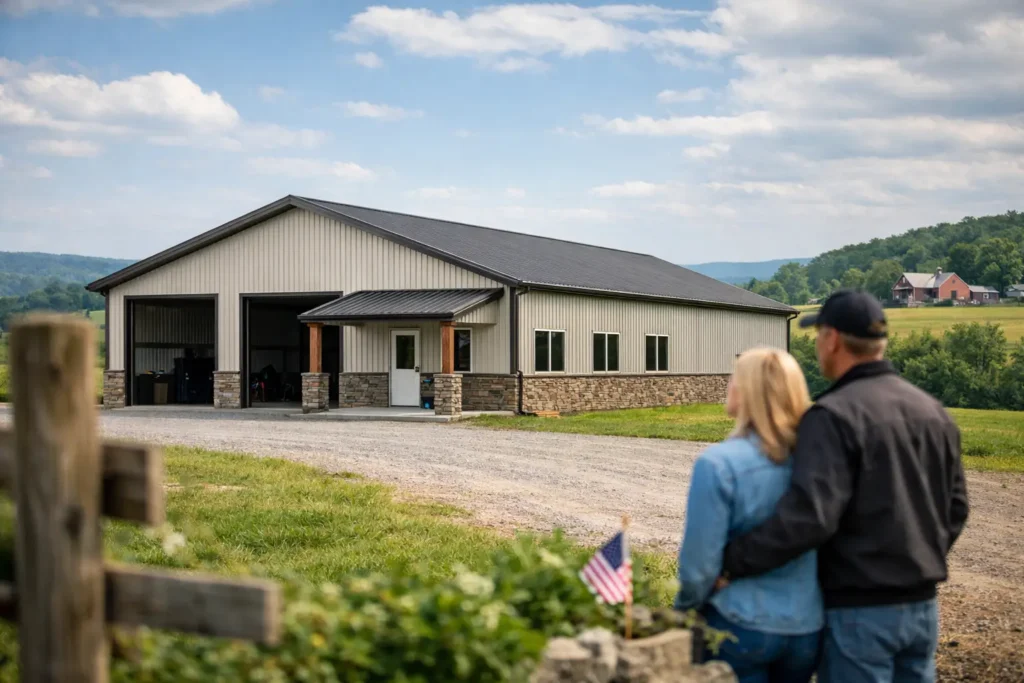
A Corle Buildings review is most useful when it goes beyond a star rating and looks at what a building package actually includes. A low number can look attractive until delivery, site preparation, insulation, doors, concrete, engineering, or installation are priced separately. For homeowners, farmers, and business owners in Southwestern Pennsylvania, the better question is whether the finished building will fit the property, handle local weather, and stay within the budget you planned.
A metal building or pole building is a major purchase. It may become a garage, equipment shelter, workshop, agricultural structure, commercial space, or part of a barndominium plan. That makes clear communication, accurate specifications, and dependable support every bit as important as the building’s initial price.
What a Corle Buildings Review Should Actually Cover
When evaluating any building supplier, look for reviews that describe the customer’s full project rather than only the buying experience. A customer may be pleased with a quick quote but still face frustration if materials arrive incomplete, timelines change without notice, or the building design does not match the site conditions.
The most helpful feedback explains what was ordered, how the company handled questions, whether the quote matched the final scope, and how the structure performed after construction. Reviews with those details give you something practical to compare. A short comment saying “great service” is encouraging, but it does not answer whether the building had the right snow-load rating, door placement, panel gauge, or trim package.
Be equally cautious with one unusually negative review. Construction projects involve permitting, excavating, weather delays, concrete schedules, and customer changes. A problem can happen on any job. What matters is whether the supplier communicated early, offered a reasonable path forward, and stood behind the work when a legitimate issue arose.
Start With the Building, Not the Price
Before comparing suppliers, define what you need the building to do. A simple storage building does not require the same layout as a heated workshop or a garage used every day through a Pennsylvania winter. The wrong building can be inexpensive upfront and costly to adapt later.
For a pole building, ask about post size and treatment, truss spacing, roof pitch, wall height, purlins, girts, and the intended use of the floor. If you expect to add insulation, a ceiling, shelving, a vehicle lift, or a finished interior, say so at the beginning. Those choices affect the design.
For a metal building package, confirm the frame system, steel thickness, panel profile, fasteners, trim, insulation options, and anchoring requirements. Do not assume one supplier’s quoted “24 by 40 building” is directly equal to another’s. Dimensions alone do not tell you how the structure is engineered or what equipment is included.
A dependable supplier should be willing to explain the differences in plain language. You should not have to become a structural expert just to understand the quote, but you should know what you are paying for.
Snow, Wind, and Site Conditions Matter Here
Pennsylvania properties can present real construction challenges. Snow loads vary by location and elevation. Wind exposure changes on open farmland, hilltops, and sites with little protection. A level lot with easy truck access is different from a sloped backyard or a narrow commercial property with existing utilities.
Ask whether the proposed building is designed for your location and whether permits or engineered plans may be required. Also discuss drainage before the building arrives. Water that runs toward the slab, splashback along the walls, or poor grading around posts can shorten the life of an otherwise well-built structure.
A supplier that knows the local area should raise these questions rather than treat them as an afterthought. That local perspective is one reason many property owners prefer working with an established regional building partner instead of selecting a package solely from an online listing.
Compare Quotes Line by Line
The best way to make a fair comparison is to request written quotes with a clear scope. If one estimate includes materials only and another includes installation, it is not a true price comparison. The same is true when one quote includes overhead doors, windows, insulation, delivery, or trim and the other does not.
Look closely at whether the price covers building design, material delivery, unloading, erection, concrete, site work, permits, and debris removal. Not every supplier provides every service, which is not automatically a concern. The concern is finding out after signing that a necessary item was excluded.
You should also ask how changes are handled. A wider overhead door, an added window, a different color, or a revised site layout can affect cost and lead time. A straightforward quote identifies allowances, exclusions, payment terms, and the process for approved change orders.
Price still matters. Most buyers have a firm budget, and affordability is a legitimate priority. But a quote that is lower by several thousand dollars may reflect lighter materials, fewer components, less engineering, or a shorter service commitment. The goal is not to buy the most expensive building. It is to buy the right building without surprises.
Questions to Ask Before You Commit
A Corle Buildings review, or any supplier review, should lead to a direct conversation. Ask how long the quoted price is valid and whether material pricing can change before ordering. Confirm expected lead times and find out what events could affect the schedule.
Ask who will be your contact after the deposit is paid. For an installed project, clarify who coordinates the site, verifies dimensions, and handles questions during construction. For a DIY package, ask whether assembly instructions, drawings, hardware, and support are included. A kit can be a good value for experienced builders, but it is not always the lowest-cost route once equipment, labor, and time are factored in.
Warranty questions deserve the same attention. Find out whether coverage applies to materials, paint finish, structural components, installation, or all of the above. Read what the warranty requires from you, including maintenance expectations and exclusions related to condensation, misuse, or improper site preparation.
Finally, request recent references or examples that resemble your project. A supplier may do excellent work on agricultural structures yet not be the right fit for a finished garage or commercial application. Matching experience to your intended use is more valuable than choosing based on the total number of jobs completed.
Installation, DIY Kits, and the Middle Ground
There is no single best way to buy a building. A complete installation can make sense when the site is complicated, the building is large, or you want one accountable team managing the work. It can also reduce the risk of costly errors with framing, door openings, roof details, and weather protection.
A DIY kit may be the right choice for a contractor, farmer, or capable property owner with the right equipment and a reliable crew. It offers more control over the schedule and labor budget. The trade-off is that you take on coordination, assembly quality, and the consequences of mistakes.
Many buyers fall somewhere in the middle. They may handle excavation, concrete, or interior finishing while relying on a qualified supplier or installer for the building shell. Tri County Door & Builders helps customers weigh those options based on the property, the project scope, and what the customer realistically wants to manage.
Watch for Warning Signs, Not Just Bad Reviews
Online reviews are one part of due diligence, not the whole process. More meaningful warning signs include vague specifications, pressure to sign before questions are answered, an unwillingness to put terms in writing, or promises that seem far better than every competing quote.
Pay attention to responsiveness, too. A supplier does not need to answer every call within minutes, especially during peak building season. But they should return messages, provide clear next steps, and explain delays honestly. The way a company handles a routine question before the sale often tells you how it will handle a complication later.
It is also reasonable to verify business details, insurance, installation credentials, and applicable licensing requirements before work begins. For larger structures, make sure the project plan accounts for local zoning, setbacks, utility locations, and permit requirements. No review can replace those basic checks.
Make the Decision You Can Live With
The strongest building purchase is usually not the one with the flashiest promotion or the shortest estimate. It is the one where the scope is clear, the structure is suited to the site, and the people involved answer your questions directly. Take the extra time to compare specifications, not just totals, and choose a supplier that treats your project like a long-term investment rather than a quick sale.