



A bad trim order usually shows up late – when panels are on site, the crew is moving, and a small mismatch suddenly turns into a visible problem. That is why choosing the right custom metal trim supplier matters more than many property owners expect. Trim is not just the finishing piece. It helps control water, covers transitions, protects edges, and gives the whole job a clean, finished look.
If you are building a garage, replacing a roof, finishing a pole building, or updating a commercial exterior, trim deserves the same attention as the main panels and roofing materials. The right supplier helps you get the correct profile, the right color, dependable lead times, and trim that actually fits the job. The wrong one can leave you working around shortages, poor bends, or pieces that look close enough on paper but do not install properly in the field.
What a custom metal trim supplier should actually provide
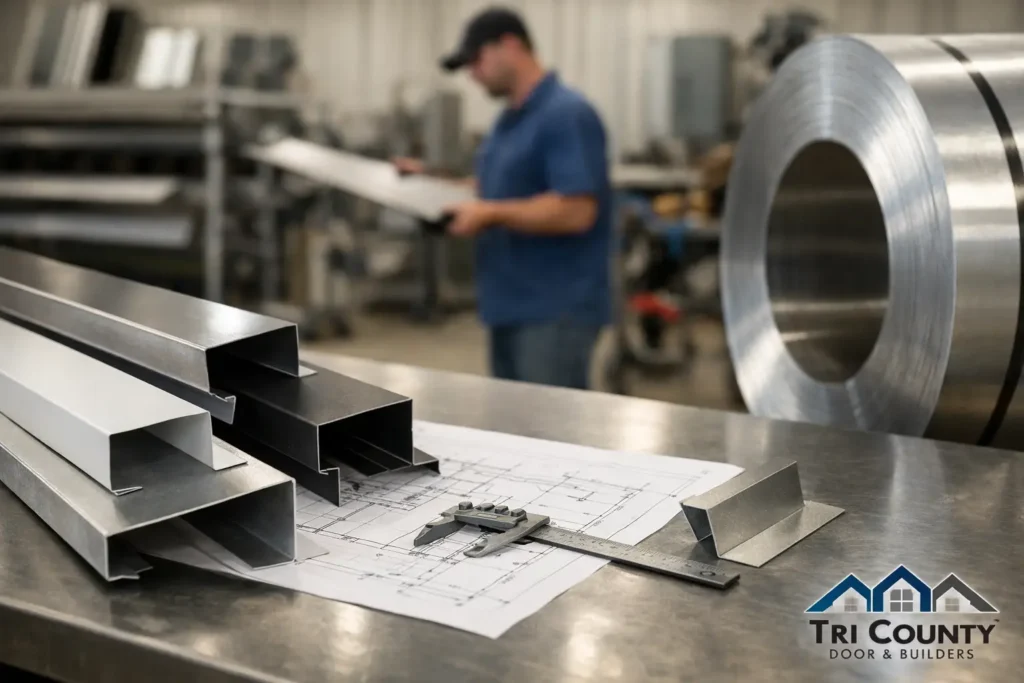
A true custom metal trim supplier does more than sell standard stock pieces off a shelf. They should be able to help match trim to your panel system, project dimensions, and use case. That includes common items like ridge cap, rake trim, drip edge, corner trim, J-channel, base trim, and transition pieces, but it can also include less common profiles for doors, overhangs, wainscot details, or unusual rooflines.
The best suppliers also ask better questions. They want to know roof pitch, panel profile, exposure to weather, fastening method, and where the trim will be used. That matters because the same metal trim that works on one agricultural building may not be the best choice for a house, storefront, or workshop.
There is also a practical difference between a supplier that simply takes orders and one that helps prevent mistakes. On a custom job, that difference can save time, labor, and material waste.
Why custom trim matters more than people think
Panels get most of the attention because they cover the largest area. Trim gets less attention because it seems secondary. In reality, trim is where many jobs either tighten up nicely or start showing problems.
Good custom trim supports weather resistance at joints and edges. It also improves appearance by creating clean transitions around corners, openings, and roof details. On a building with strong lines and visible metal surfaces, uneven trim or poor color matching stands out fast.
This is especially true in Western Pennsylvania conditions, where snow, wind, and rain can test every exposed edge. A properly formed trim piece can help direct water away from vulnerable areas. A poorly chosen piece can do the opposite. That does not mean every project needs something highly specialized, but it does mean trim should be selected for the building, not treated as an afterthought.
How to evaluate a custom metal trim supplier
The first thing to look at is product knowledge. If a supplier cannot clearly explain gauge options, finish types, profile compatibility, or bend limitations, that is a warning sign. You do not need a sales pitch. You need clear answers.
Material consistency matters too. Trim needs to match the rest of the system as closely as possible in color, finish, and performance. That is especially important on visible residential and commercial projects where a slight mismatch can be obvious in sunlight.
Lead time is another big factor. Custom work naturally takes more time than off-the-shelf pieces, but you still want realistic scheduling. A dependable supplier gives you a straight timeline and tells you what could affect it. If every answer is vague, expect problems later.
Accuracy is where experience really shows. A good supplier pays attention to measurements, bend angles, lengths, hems, and how pieces overlap in the field. They should be comfortable reviewing drawings, sketches, or dimensions and pointing out anything that looks off before production starts.
Service also matters more than price alone. Cheap trim that has to be reordered is not cheap. The same goes for pieces that require field modifications because they were not formed correctly. A local supplier with real product knowledge often delivers better value than a low quote that leaves room for avoidable mistakes.
Questions worth asking before you place an order
Start with compatibility. Ask whether the trim is being made specifically for your panel profile and application. Even small differences in panel shape or spacing can affect fit.
Ask about the metal and finish. What gauge is being used? Is it appropriate for the building type and exposure? Will the color match your roofing or siding panels closely, or is it just a similar shade?
Then ask about production details. Are hems included where needed for stiffness and safety? What are the standard lengths? How are custom lengths handled? What tolerances should you expect?
It is also smart to ask how the supplier handles changes or corrections. On real jobs, dimensions get updated. Details shift. A supplier who communicates early and clearly is easier to work with than one who disappears once the order is placed.
The trade-offs between stock trim and custom trim
Stock trim has its place. If you are working on a straightforward project with common dimensions and standard details, pre-made profiles can save time and simplify ordering. For some repairs or smaller outbuildings, that may be all you need.
Custom trim becomes more valuable when the building is more visible, more complex, or less forgiving. Homes, commercial buildings, barndominiums, and detailed pole building projects often benefit from trim that is made for the exact condition instead of forced into place.
The trade-off is usually lead time and planning. Custom trim takes more coordination up front. But that extra planning often pays off with cleaner installation, fewer field adjustments, and a better-looking result. It depends on the project, the budget, and how much finish quality matters to you.
Why local support can make a real difference
When trim is part of a larger roofing, siding, or building package, local support is hard to beat. A supplier who understands regional weather, common building types, and contractor expectations can help you avoid choices that look fine on paper but do not hold up well in practice.
That local piece also matters when something changes. If a measurement needs to be verified or an order needs to be adjusted, dealing with a nearby team is usually faster and more practical than working through a distant call center. For property owners and contractors in places like Westmoreland, Somerset, and Fayette counties, service is not just about friendliness. It is about getting answers while the job is moving.
That is one reason many customers prefer working with an established local company like Tri County Door & Builders. When you are ordering materials that need to fit right the first time, access to experienced people matters.
Signs you have found the right custom metal trim supplier
You should feel like the supplier is helping you think through the job, not just processing a sale. They ask useful questions, explain options in plain language, and help align trim choices with the actual building.
They are also honest about trade-offs. Sometimes a heavier gauge makes sense. Sometimes it does not. Sometimes a custom profile is worth it. Sometimes a standard piece will do the job just fine. Straight answers build trust, especially when you are making decisions that affect both appearance and long-term performance.
The right supplier also respects your timeline without making promises they cannot keep. They communicate clearly, confirm dimensions, and treat small details as important, because on metal work, small details tend to become very visible once everything is installed.
Getting better results from your trim order
If you want your order to go smoothly, come prepared with as much information as possible. Panel type, color, measurements, roof pitch, sketches, and photos all help. The more complete the information, the easier it is to produce trim that fits the first time.
It also helps to think beyond the individual piece. Trim should work as part of a complete exterior system. Roofing, siding, closures, fasteners, underlayment, and installation details all affect the final result. A supplier who understands the full assembly can help you avoid gaps between materials and field conditions.
For homeowners, that means fewer surprises and a cleaner finish. For contractors, it means less downtime and fewer callbacks. For farm and commercial properties, it means a building that looks right and performs the way it should.
A well-made trim package will never be the loudest part of the project, and that is exactly the point. It fits, it protects, and it finishes the building the way it was supposed to be finished. When you choose a custom metal trim supplier who knows the work, the rest of the job tends to go a whole lot smoother.