



A roof can change the whole look of a home, barn, garage, or commercial building, but appearance is only part of the decision. If you are considering printed metal roofing panels, the real question is not just whether they look good. It is whether they make sense for your building, your budget, and the weather they will face year after year.
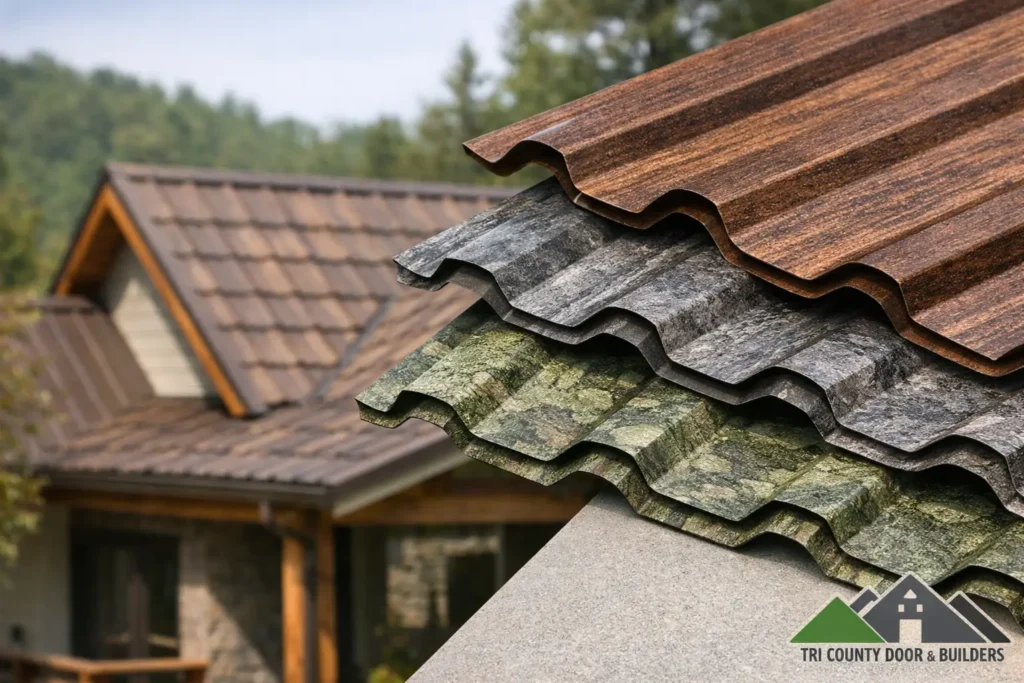
Printed panels are metal roofing panels manufactured with a decorative finish that mimics another material or adds visual detail beyond a standard solid color. Depending on the product, that might mean a woodgrain look, a textured appearance, a stone-like pattern, or a finish designed to give more architectural character than basic painted metal. For property owners who want the strength and longevity of metal without the plain industrial look, that can be a very practical option.
What printed metal roofing panels actually are
At the core, these are still metal panels, usually steel, formed into a roofing profile and coated for protection. What makes them different is the finish system. Instead of a single flat color, the panel receives a printed design layer that creates a more decorative appearance.
That distinction matters because buyers sometimes assume “printed” means lightweight, decorative-only material. It does not. A quality printed panel is still a roofing product built to handle exposure, drainage, and seasonal temperature swings. The print changes the appearance, not the basic purpose of the panel.
The manufacturing quality behind that finish is where the real difference shows up. A good print system should resist fading, chalking, and premature wear. A low-grade finish may look attractive at first and disappoint a few seasons later, especially on buildings exposed to strong sun, moisture, snow load, and freeze-thaw cycles.
Why printed metal roofing panels appeal to so many property owners
Most people are balancing two goals at once. They want a roof that lasts, and they want a building that does not look purely utilitarian. Standard metal roofing has earned a strong reputation for durability, but some owners still hesitate because they do not want the structure to resemble an agricultural or industrial building.
Printed metal roofing panels help bridge that gap. They can soften the visual feel of a detached garage, workshop, retail building, or even a residence where curb appeal matters. On a barndominium or pole building, they can make the exterior feel more finished and intentional. On light commercial properties, they can create a cleaner, more branded appearance without moving into the cost range of premium specialty materials.
There is also a practical side to that visual flexibility. In many cases, printed panels let owners get closer to the appearance of wood, stone, or higher-end architectural materials without taking on the maintenance that often comes with those products.
The biggest advantages and the trade-offs
The strongest argument for printed metal panels is simple. You get the durability benefits of metal while expanding your design choices.
Metal roofing is known for long service life, strength, and low maintenance compared with many traditional roofing materials. That makes it appealing for homes, agricultural buildings, garages, and commercial structures across Western Pennsylvania, where roofs need to stand up to snow, rain, wind, and changing temperatures.
A printed finish can also help a property stand out in a good way. For owners who care about resale, street appeal, or presenting a more polished building to customers, that visual upgrade can matter.
But there are trade-offs, and they should be part of the conversation.
First, printed products can cost more than basic solid-color metal panels. The added finish process usually carries a premium. Whether that premium is worth it depends on how visible the roof is, how much appearance matters to you, and how long you plan to keep the property.
Second, not every printed finish has the same long-term performance. Some are made to a higher standard than others. If the coating quality is weak, the roof may still protect the structure, but the appearance can age faster than expected.
Third, printed panels are not a perfect substitute for every premium material they imitate. From a distance, they can create a similar effect. Up close, the difference may still be noticeable. For some buyers, that is completely acceptable. For others, especially on high-end custom homes, it may not be the right fit.
Where they make the most sense
Printed metal panels are often a smart fit for buildings where durability matters but appearance still carries weight. That includes detached garages, pole buildings, agricultural structures, workshops, mixed-use properties, and many small commercial buildings.
They can also work well on homes, especially when the owner wants something more distinctive than standard exposed-fastener metal or is trying to coordinate with siding, trim, and surrounding materials. The right printed finish can help a roof feel more custom without pushing the project into a completely different budget category.
For investment properties, the answer depends on the market and the property type. If curb appeal affects rentability or resale, the added design value may justify the extra cost. If the building is mostly functional and not highly visible, a standard metal panel may be the smarter use of funds.
Questions to ask before you buy
The best roofing decisions usually come from asking a few straightforward questions early.
Start with the panel profile. A great-looking finish on the wrong profile may not match the style of the building. Then ask about the substrate and coating warranty. The metal underneath matters just as much as the printed surface.
You should also ask how the finish is expected to perform in your climate, what kind of maintenance is recommended, and whether color and pattern consistency may vary between production runs. That last point is especially important if an addition or future repair might require matching panels later.
Installation details matter too. Even a quality printed panel can underperform if trim, fasteners, underlayment, and flashing are not handled correctly. A roof system works as a system. The panel is only one part of it.
Printed panels vs. standard painted metal
For some buildings, a standard painted metal roof is still the better buy. Solid-color panels usually cost less, offer a classic metal look, and can be the right choice when function is the main goal.
Printed panels make more sense when design is part of the value equation. If the roof is prominent, if the property serves customers, or if you want the building to have more character, that upgrade may be worthwhile.
There is no universal winner here. A machine shed in a low-visibility area may not benefit much from a decorative finish. A front-facing garage, barndominium, or small storefront might benefit quite a bit.
Climate and maintenance expectations
In this region, roofing products have to deal with more than just occasional bad weather. Snow accumulation, wind-driven rain, humidity, and seasonal expansion and contraction all put stress on roofing materials. That is why finish quality and proper installation should never be treated as minor details.
Printed metal roofing panels are generally low maintenance, but low maintenance does not mean no maintenance. It is still wise to keep debris off the roof, check exposed areas after major storms, and address any scratches, loose trim, or drainage problems before they turn into larger issues.
For property owners who want a roof they do not have to constantly worry about, that is one of the strongest selling points. You are not choosing a decorative product that happens to be on the roof. You are choosing a roof that can also improve the look of the building.
How to tell if printed metal roofing panels are worth it for your project
If your priority is the lowest upfront cost, printed panels may not be your first choice. If your priority is balancing durability, appearance, and long-term value, they deserve a serious look.
That is especially true when the roof is highly visible or when the building serves as more than simple storage. Homes, customer-facing businesses, and multi-use outbuildings often benefit the most. In those cases, the extra investment is not just about style. It is about getting a building that performs well and looks like it was planned with care.
At Tri County Door & Builders, that is usually the right way to approach any roofing decision. Start with the building, the budget, and the job the roof needs to do. Then choose the product that fits, not the one that simply sounds good on paper.
A good roof should hold up, look right, and make sense for the long haul. If printed panels can do all three for your property, they are worth more than a passing glance.