




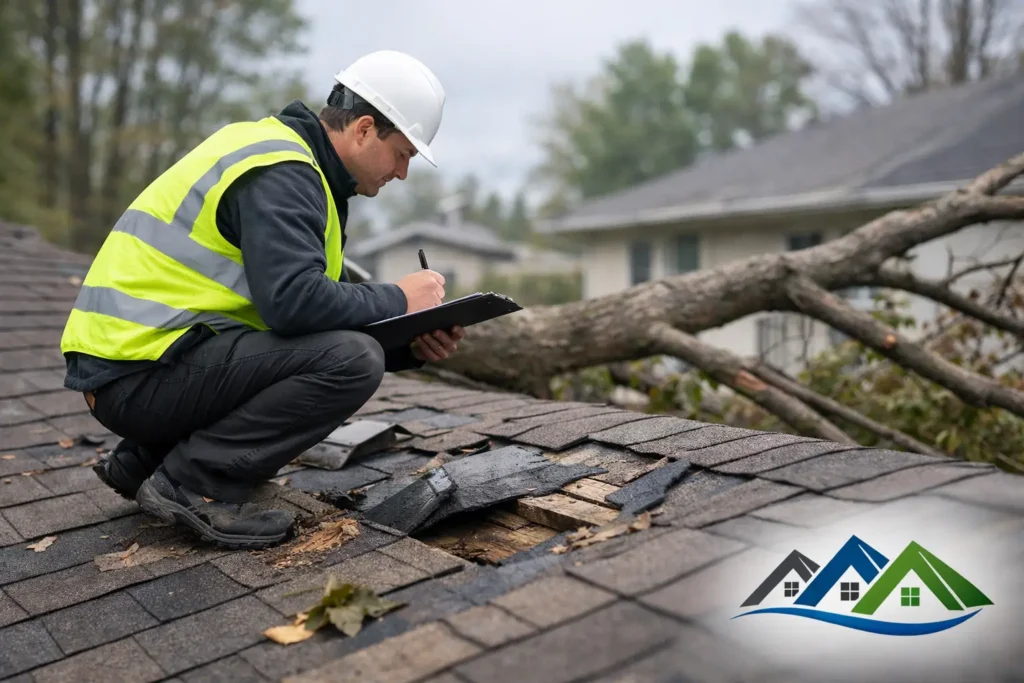
The morning after a hard storm is when a lot of roof problems start showing up, but not all of them are easy to spot from the ground. A proper roof inspection after storm weather can reveal missing shingles, lifted flashing, punctures, and moisture intrusion before a small issue turns into interior damage, mold, or structural repairs.
In Southwestern Pennsylvania, storms rarely hit roofs in just one way. Wind can peel back shingles, hail can bruise the surface, and heavy rain can push water into weak points around vents, chimneys, valleys, and ridge lines. That is why the first question is not just whether your roof looks fine from the driveway. It is whether the roofing system is still doing its job.
Why a roof inspection after storm weather matters
A storm-damaged roof does not always leak right away. That is one of the biggest reasons homeowners and property owners put off getting it checked. A shingle may still be in place but have lost granules, cracked, or lifted enough to break the seal. Flashing may have shifted just enough to allow slow water entry. Metal panels may look solid from a distance but have loose fasteners or minor separation at seams.
Those hidden issues matter because roofs fail over time as much as they fail all at once. If water gets under roofing materials, it can soak decking, insulation, and framing long before you see a ceiling stain. On a home, that can mean drywall damage and higher repair costs. On a garage, farm building, or small commercial property, it can mean inventory damage, rust, or a larger interruption to normal use.
That is also why timing matters. The best window for a storm inspection is usually as soon as conditions are safe. Waiting a few days may not seem like a big deal, but another round of rain can make a manageable repair much worse.
What to check before the inspection
Before anyone gets on the roof, start with what you can safely see. Walk the property and look for shingles in the yard, bent gutters, fallen branches, dented downspouts, damaged siding, or pieces of flashing on the ground. These signs do not confirm the full extent of roof damage, but they do help tell the story of what the storm likely did.
Inside the building, check ceilings, attic spaces, and upper walls. Look for damp insulation, dark spots on wood, new stains, peeling paint, or a musty smell. In many cases, the attic gives away roof trouble before the living space does.
Take photos as you go. That helps you track changes and can be useful if repairs are needed. Just keep the inspection safe. A wet roof, steep slope, or storm-weakened surface is not the place for a quick climb with a phone in your hand.
What a professional roof inspection after storm damage should include
A real inspection is more than a quick glance at the shingle field. It should look at the entire roofing system, including the parts that often cause leaks first.
Shingles are usually the obvious starting point. An inspector should check for missing tabs, creasing, lifted edges, hail impact, exposed mat, and granule loss. On asphalt roofs, some storm damage is visible right away and some takes a trained eye. A roof can look mostly intact and still have enough damage to shorten its life.
Flashing is another major area. Around chimneys, skylights, pipe boots, and wall intersections, flashing can loosen or bend under storm pressure. Valleys and roof transitions deserve close attention too because they handle a lot of water during heavy rain.
Gutters, soffit, fascia, and roof ventilation also matter. When wind damages the roof edge or clogs drainage paths with debris, water can back up where it should not. On metal roofing systems, inspectors should also look at panel alignment, fasteners, sealants, and any sign of denting or seam separation.
For larger structures like pole buildings, garages, agricultural buildings, or light commercial properties, the inspection may need to go beyond the roof covering. Fastener pull-out, trim damage, and moisture movement inside the building envelope can all affect performance after a storm.
Signs of storm damage property owners often miss
Not every storm leaves dramatic damage behind. In fact, some of the most expensive repairs start with subtle warning signs.
One common issue is lifted shingles that settle back down. From the ground, they may not look wrong at all. But once the seal strip is broken, that area becomes more vulnerable in the next wind event. Another is granule loss that looks like normal aging unless you know what to compare it against. If you notice a sudden buildup of granules in gutters after a storm, that deserves attention.
Small punctures can also be overlooked, especially where branches or flying debris made contact. Even a minor puncture can let in water over time. On metal roofs, cosmetic dents are one thing, but damage that affects seams, fasteners, or protective coatings is a different problem.
Then there are leaks that show up away from the actual roof damage. Water travels. A stain on one side of a room may start from a roof penetration several feet away. That is why patching the visible symptom without inspecting the full roof often leads to repeat problems.
Repair now or replace later? It depends on the roof
After a storm, many property owners want a simple answer. Can this be repaired, or is it time for a replacement? The honest answer is that it depends on the age of the roof, the material, the extent of damage, and how widespread the weak spots already were before the storm.
If the damage is limited to a smaller area and the rest of the roof is still in solid condition, a focused repair may make good sense. That is often the most affordable path when the underlying system still has years left in it.
If the roof was already near the end of its service life, storm damage may be the event that tips it from repairable to impractical. Replacing scattered shingles on an older roof does not always solve the bigger problem, especially if sealing, ventilation, or decking issues are also in play.
For homeowners considering replacement, product selection matters. The right shingle or metal roofing system should match the building, the budget, and the local weather demands. That is where dealing with a supplier and installer that knows the region can save a lot of guesswork. Tri County Door & Builders has worked with property owners since 1998, and practical guidance matters when you are deciding between a quick fix and a longer-term roofing investment.
Why local storm experience makes a difference
Storm patterns in this part of Pennsylvania are not the same as in other markets. Roofs here deal with wind, driving rain, hail, freeze-thaw cycles, and winter snow loads. A roof inspection should reflect those realities.
That local experience helps in two ways. First, it helps identify the kinds of storm damage that are common in the area and easy to miss. Second, it helps match repairs or replacements to products that hold up well over time instead of just solving the immediate problem.
That matters for homeowners, but it also matters for farmers, contractors, and commercial property managers who need durable materials and straightforward recommendations. The best result is not just getting through this storm. It is reducing the chances that the next one causes the same failure again.
When to make the call
If you see active leaking, missing roofing material, fallen tree limbs, or visible edge damage, the call should happen right away. If the storm was severe but the roof looks mostly normal, it is still smart to schedule an inspection soon. Hidden damage is common, especially after high winds and hail.
A good inspection gives you clarity. Maybe the roof needs a minor repair. Maybe it needs more than that. Either way, knowing the condition of your roof early gives you more options, more control over cost, and a better chance of preventing interior damage.
After a storm, the goal is simple: do not guess about the roof that protects everything underneath it.