



A roof can look acceptable from the driveway while hiding the early signs of failure around valleys, pipe boots, flashing, and aging shingle edges. That is why quality shingle roofing services should start with a close look at the entire roofing system, not a quick price based on square footage alone. For property owners in Southwestern Pennsylvania, the right decision comes down to materials that fit the building, installation that holds up through changing weather, and a contractor who explains the options plainly.
What Good Shingle Roofing Services Should Include
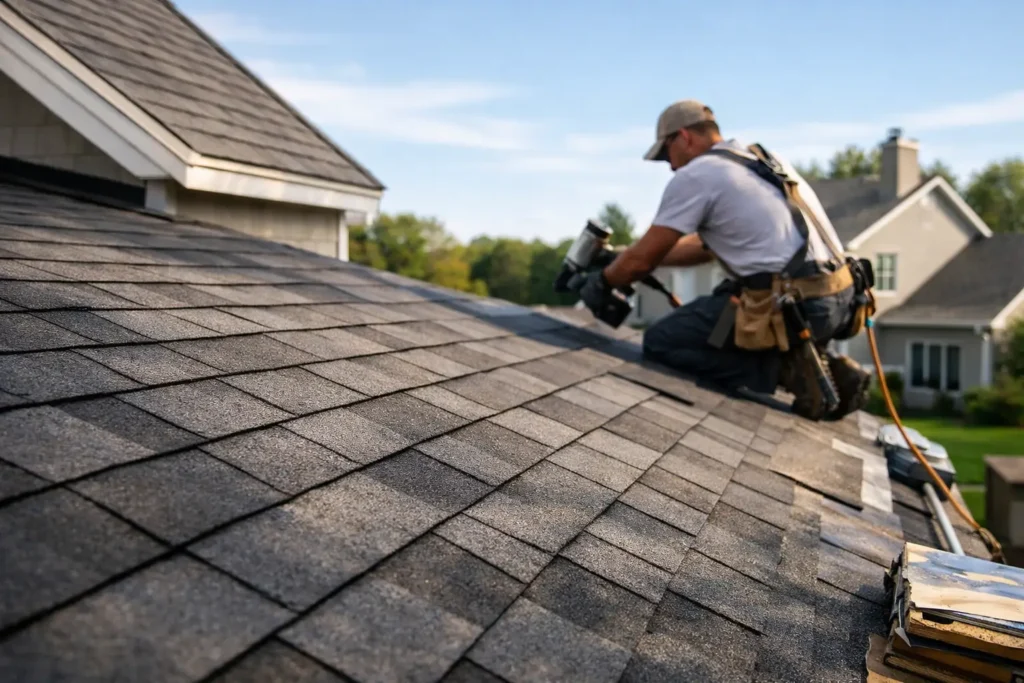
A new shingle roof is more than a layer of shingles nailed over a deck. Its performance depends on how every layer works together: the decking beneath it, underlayment, ice and water protection where needed, ventilation, flashing, starter shingles, ridge components, and the shingles themselves. A weak detail in any one of these areas can lead to leaks, premature wear, or poor attic moisture control.
A thorough roofing evaluation should identify whether the existing roof can be repaired or whether replacement is the smarter long-term choice. A few missing shingles after wind damage may be a repair issue. Widespread granule loss, brittle shingles, recurring leaks, soft decking, or visible sagging may point toward replacement. The answer depends on the roof’s age, condition, and history, not just the appearance of one damaged spot.
For homeowners, barns with finished areas, garages, rental properties, and small commercial buildings, the goal is the same: protect the structure without paying for work that does not solve the underlying problem. Clear recommendations and a detailed scope of work help make that possible.
Why the Roofing System Matters as Much as the Shingle
Asphalt shingles are a practical choice for many Pennsylvania properties because they offer dependable protection, a broad range of colors, and a cost that works for many budgets. But even a premium shingle cannot perform as intended when the roof deck is compromised, the flashing is poorly installed, or the attic lacks proper ventilation.
Ventilation deserves special attention. Inadequate airflow can trap heat and moisture in the attic, contributing to higher cooling costs, moisture problems, and shortened shingle life. Proper intake and exhaust ventilation is not identical on every roof. The layout of the attic, insulation depth, roof geometry, and existing vent locations all affect the right approach.
Flashing is another area where careful workmanship pays off. Chimneys, walls, valleys, skylights, and plumbing penetrations are common leak locations because they interrupt the main roof surface. These areas need compatible materials and correct installation, not a temporary patch that merely hides the issue for a season.
Repair, Replacement, or a Second Layer?
There is no single answer for every roof. Repair is often sensible when the damage is limited and the roof still has useful service life. Replacement is usually the better investment when problems are widespread or when a roof is approaching the end of its expected lifespan.
Installing shingles over an existing layer may be allowed in certain situations, but it is not automatically the best value. A full tear-off lets the installer inspect the deck, address hidden damage, and build the system from a sound base. It also avoids adding another layer of weight. A property owner should understand both the up-front price difference and the long-term trade-off before choosing either option.
Choosing Shingles for Southwestern Pennsylvania Weather
Our region sees heavy rain, snow, freeze-thaw cycles, gusty winds, and hot summer sun. Those conditions make product selection more than a color decision. The right shingles should match the roof slope, exposure, budget, and desired appearance while providing the protection the property needs.
Tri County Door & Builders installs Owens Corning shingles and helps customers compare roofing options without pushing a one-size-fits-all package. Owens Corning offers established shingle choices for homeowners who want reliable performance and curb appeal, while the full system of compatible components helps support proper installation.
Color also deserves practical consideration. Darker colors can create a traditional look and complement brick, stone, and many types of siding. Lighter shades may be preferred for a softer appearance or to better suit a rural property. Samples viewed in natural daylight are far more useful than relying on a small screen image, since sunlight and surrounding colors can change how a roof looks.
For customers planning a replacement, the current 30% off Owens Corning shingles campaign can make a major project more manageable. It is a straightforward way to avoid the Pittsburgh markup and put more of the budget toward a properly installed roofing system. Savings matter, but the best value still comes from pairing quality materials with careful labor and honest job planning.
Questions to Ask Before Hiring a Roofing Contractor
A roofing quote should give you enough detail to compare more than the bottom-line number. Ask what is included for tear-off, disposal, decking repairs, underlayment, flashing, ventilation, and cleanup. If those items are unclear, an initially low estimate can become difficult to evaluate once work begins.
It is also reasonable to ask which shingle line and components will be used, how existing damage will be documented, and what happens if rotten decking is found after tear-off. Good contractors do not pretend every roof is predictable. They explain likely conditions, note potential variables, and communicate before making necessary changes.
Local experience matters because roofing work is shaped by regional weather and the types of homes and buildings common in the area. Property owners in Westmoreland, Somerset, and Fayette counties benefit from working with a team that understands local building needs and remains available after the installation is complete.
Timing Your Roof Project
The best time to schedule roofing work is before an active leak turns into interior damage. Water can travel along decking, framing, insulation, and ceilings before it becomes visible inside, which means a small stain may not show the full scope of the issue.
That said, roofing projects are possible through much of the year when weather conditions allow. Spring and fall are popular scheduling periods, while summer can bring heat and fast-moving storms. If your roof has storm damage or an active leak, it is worth arranging an assessment promptly instead of waiting for the ideal season.
Simple Steps That Help a Shingle Roof Last
Routine attention does not replace professional work, but it can help catch trouble early. Keep gutters clear so water can move away from the roof edge. Trim branches that rub against shingles or drop heavy debris. After a major storm, look from the ground for missing shingles, displaced flashing, or large accumulations of granules near downspouts.
Avoid walking on the roof unless you have the training and equipment to do so safely. Shingles can be damaged by foot traffic, and steep or wet surfaces are dangerous. A professional inspection is the safer choice when you suspect damage or when the roof is reaching the age where problems become more likely.
A dependable roof does not have to be complicated, but it does require the right decisions before the first shingle is installed. Whether you need a targeted repair or a full replacement, start with an honest evaluation, ask clear questions, and choose a system built to protect your property through the seasons ahead.