



If you are comparing roof options and keep hearing the same term from contractors, neighbors, and product brochures, you are probably asking: what are architectural shingles, and are they actually worth the extra cost? That is a fair question, especially when a roof is one of the bigger investments you will make in your home or building.
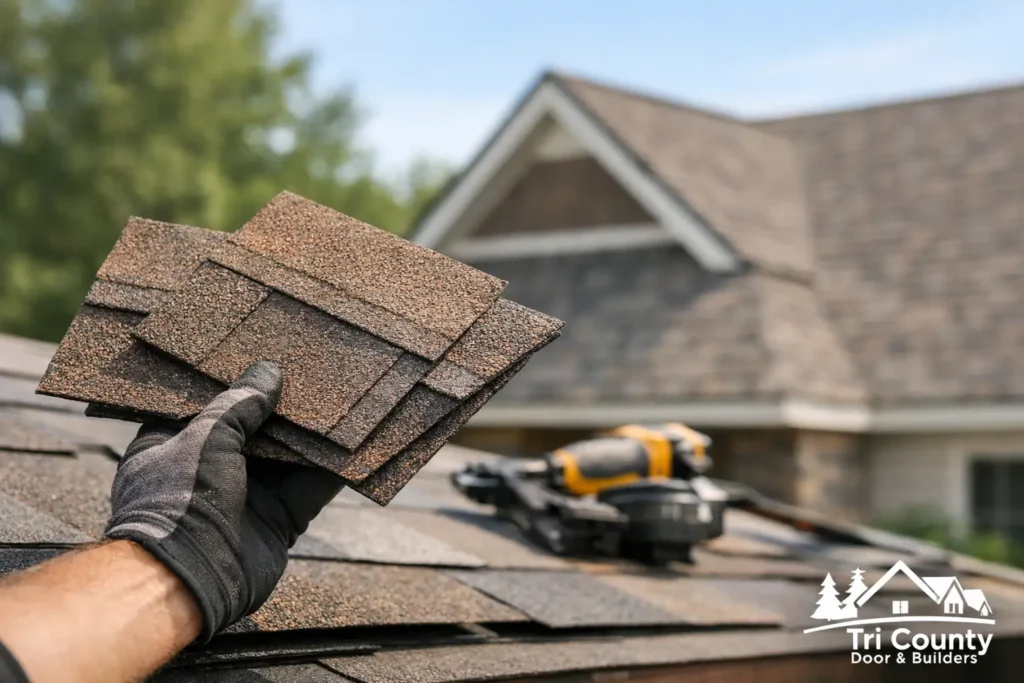
Architectural shingles are a type of asphalt shingle built with multiple layers or a laminated design that gives them more dimension, more weight, and usually better durability than standard 3-tab shingles. They are sometimes called dimensional shingles or laminated shingles. The look is one reason people choose them, but the bigger story is performance. In many cases, they handle wind better, hold up longer, and give a roof a fuller, higher-end appearance.
For property owners in Western Pennsylvania, that matters. A roof here has to deal with changing temperatures, storms, heavy rain, snow, ice, and the kind of seasonal wear that exposes weak materials fast. That is why architectural shingles have become a common choice for homes and many light commercial buildings.
What are architectural shingles made of?
At the core, architectural shingles are still asphalt shingles. They typically start with a fiberglass mat, then get coated with asphalt and topped with mineral granules. The difference is in how they are built. Instead of a single flat layer cut into uniform tabs, architectural shingles use a heavier laminated construction that creates depth and variation.
That layered build is what gives them their textured appearance. From the street, they can mimic the look of more expensive roofing materials such as cedar shake or slate, depending on the product line and color blend. You get a more custom look without stepping into the price range of premium roofing materials.
The added material also changes how they perform. They are usually thicker and heavier than 3-tab shingles, which can help with weather resistance and lifespan.
Architectural shingles vs. 3-tab shingles
This is usually the comparison that matters most to homeowners.
A 3-tab shingle is the traditional flat asphalt shingle with a uniform pattern. It is lighter, simpler, and generally less expensive upfront. For some budget-driven projects, that lower initial cost still makes sense.
Architectural shingles cost more, but they also tend to offer better value over time. They generally last longer, resist wind better, and create a more attractive finished roof. If curb appeal matters, or if you plan to stay in the property for years, many owners feel the upgrade is justified.
The trade-off is simple. If your top priority is the lowest possible roof replacement cost today, 3-tab shingles may look appealing. If you care about longer service life, stronger warranties in many cases, and a better-looking roof, architectural shingles are often the stronger option.
Why so many roofs use architectural shingles now
In a lot of the market, architectural shingles have become the standard choice rather than the upgrade. That shift happened for practical reasons.
First, they look better. A roof takes up a big portion of your home’s exterior, and flat shingles can make the whole structure look dated. Architectural shingles add shadow lines and texture, which gives the roof more character.
Second, they usually perform better in rough weather. Wind ratings vary by manufacturer and installation method, but architectural shingles commonly outperform 3-tab products. That matters in areas that see strong storms and winter weather.
Third, they can improve long-term value. Buyers notice the condition and appearance of a roof. While a new roof does not always return dollar for dollar at resale, a quality architectural shingle roof can help a home show better and reduce concerns about near-term replacement.
How long do architectural shingles last?
The honest answer is that it depends on the shingle, the installation, the attic ventilation, and the weather exposure. In general, architectural shingles often last around 25 to 30 years, and some premium products can go longer under the right conditions.
That does not mean every roof will hit the top end of the range. Poor ventilation, improper installation, storm damage, low roof pitch issues, or neglect can shorten the life of even a good shingle. On the other hand, a properly installed roof system with solid ventilation and regular attention can stay in good shape for many years.
This is one reason product and installer both matter. A strong shingle can still underperform if the roof system is not put together correctly.
What are the benefits of architectural shingles?
The biggest benefit is balance. Architectural shingles sit in a practical middle ground between low-cost basic roofing and much higher-end specialty materials.
They offer improved appearance, stronger durability, and solid value for the money. Many products also come in a wider range of colors and styles, making it easier to match the roof to the siding, trim, stone, or overall style of the building.
They also tend to be more forgiving visually. Because they have dimension and variation, they can hide small imperfections in the roof deck or natural variations in light better than flatter shingles.
For many homeowners, the appeal is not about luxury. It is about putting on a roof that looks right, performs well, and does not need to be revisited too soon.
Are architectural shingles more expensive?
Yes, usually. Material costs are higher than basic 3-tab shingles, and the total installed price may be somewhat higher depending on the brand, roof size, tear-off needs, flashing work, and other job conditions.
Still, the price gap is not always as dramatic as people expect. When you compare the longer lifespan and better overall appearance, the added cost can be easier to justify. In some cases, it is the more economical decision over the long term because you may get more years out of the roof.
That said, not every property needs the same solution. A long-term family home may justify a better shingle. A detached outbuilding or lower-priority structure might call for a simpler approach. The right answer depends on the building, the budget, and how long you plan to keep it.
When architectural shingles make the most sense
Architectural shingles are a strong fit for most homes, garages, and many small commercial properties where the owner wants a dependable roofing system without jumping to premium designer materials.
They make especially good sense when the roof is highly visible from the road, when resale value matters, or when weather exposure is a concern. In areas with changing seasons and regular storm activity, that extra durability can be worth paying for.
They also fit well for owners who want a recognizable brand and a roof system designed to work together. That can include shingles, underlayment, starter shingles, ventilation products, and ridge caps installed as part of a complete system.
A few things people overlook
Roofing decisions often get reduced to color and price, but there are other factors that matter just as much.
Ventilation is a big one. Even a high-quality architectural shingle can wear out early if heat and moisture are trapped in the attic. Proper intake and exhaust ventilation help protect the roof system and the structure below it.
Installation details matter too. Flashing, valleys, pipe boots, drip edge, and ridge treatment all affect how the roof performs over time. A good shingle cannot make up for poor workmanship.
Warranty language is another area worth reading carefully. People often hear a number like 30 years or lifetime and assume it means full coverage for anything that goes wrong. In reality, warranties have terms, conditions, and limitations. It is worth asking what is covered, how long coverage is fully effective, and whether installation requirements affect the warranty.
Choosing the right architectural shingle
Not all architectural shingles are the same. Some are built for value. Others are heavier, designed for stronger wind performance, or made to create a more dramatic look. Brand matters, but matching the product to the project matters more.
If you are replacing the roof on your home, think about the balance of budget, appearance, and expected length of ownership. If you are roofing a rental, farm building, or small commercial property, your priorities may be different. There is no one-size-fits-all answer, and that is exactly why it helps to work with someone who will explain the options instead of pushing the same product every time.
For property owners who want a dependable roof without paying a premium for materials they do not need, architectural shingles are often the sweet spot. Companies like Tri County Door & Builders work with established roofing products, including Owens Corning shingles, and that kind of practical product guidance can save customers from paying for the wrong system just as much as it helps them avoid cutting corners.
A roof should do more than check a box on a project list. It should protect the building, look right on the property, and make financial sense for the years ahead. If architectural shingles are on your shortlist, that is a smart place to start asking better questions.