




Price per panel matters. So does lead time, coating quality, trim fit, and whether the supplier can help you match the right materials to the job instead of selling whatever is sitting in a warehouse. When buyers start looking at wholesale metal building materials, the real goal is not simply getting a lower number on a quote. It is getting materials that perform, arrive on time, and make the build go smoother from start to finish.
That matters whether you are putting up a garage, reroofing an agricultural structure, planning a pole building, or sourcing materials for multiple contractor jobs. Metal products can be one of the smartest investments on a property, but only when the package is built around the demands of the project.
What wholesale metal building materials really include
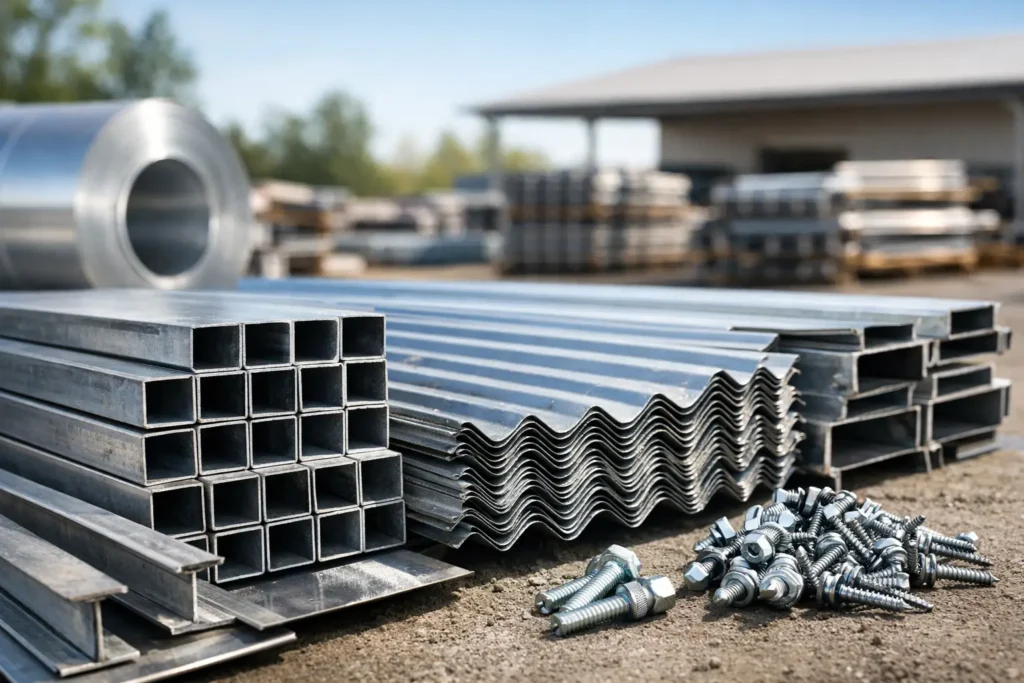
A lot of buyers hear the word wholesale and think only about sheet metal or roofing panels. In practice, the category is much broader. It usually includes metal roofing, siding panels, trim, soffit, fascia, closures, fasteners, underlayment, insulation components, framing-related accessories, and in some cases complete packages for pole buildings, garages, and barndominiums.
That broader view matters because material compatibility is where many projects either stay on budget or start drifting. A panel may look affordable on its own, but if the trim profile is wrong, the fasteners are mismatched, or the coating is not suited for the building exposure, the savings disappear quickly. Buying wholesale works best when the system is treated as a system, not a stack of separate parts.
Why buyers choose wholesale metal building materials
The most obvious reason is cost control, but that is only part of it. Wholesale pricing often helps property owners and contractors stretch the budget further without dropping down to lower-grade products. On larger projects, that difference can be significant.
The other advantage is consistency. When materials come from a knowledgeable supplier with a focused product line, it is easier to keep profiles, colors, trim, and accessory parts aligned. That saves time during installation and reduces the headache of trying to substitute missing pieces later.
There is also a practical service angle. Local and regional suppliers often understand what works in your area better than a national seller reading from a spec sheet. In Southwestern Pennsylvania, for example, materials have to hold up against snow load concerns, seasonal temperature swings, driving rain, and the day-to-day wear that comes with farm, residential, and light commercial use. A cheap package that looks fine on paper may not be the best value after a few winters.
Not all metal products are equal
This is where many buyers get tripped up. Two quotes can look similar while the actual materials are very different. Gauge, paint system, substrate quality, panel profile, and warranty support all affect long-term performance.
Thicker is not always necessary, but the right gauge for the application is critical. A panel used on a backyard shed does not carry the same expectations as one used on a workshop, equipment building, or commercial structure. The same goes for finishes. Better coatings usually cost more upfront, but they can pay off in appearance, weather resistance, and reduced maintenance over time.
Fasteners matter too. So do closures and trim details. These are not exciting line items, but they are often where leaks, corrosion issues, and premature wear begin. A supplier who talks through those details is usually helping you avoid callbacks and repair costs, not upselling for the sake of it.
How to compare wholesale metal building materials quotes
A low quote is only useful if you know what is included. Start by looking at panel specifications, not just square-foot pricing. Check the gauge, panel profile, finish type, trim package, and fastener count. Ask whether closures, underlayment, or insulation components are part of the package or separate.
Then look at lead time. If one supplier is cheaper but cannot deliver when the job needs to start, the savings may disappear into labor delays or scheduling changes. This is especially true for contractors and owners coordinating concrete, framing, roofing, and door installation.
It also helps to ask how complete the takeoff is. A thorough material list reduces waste and lowers the chance of mid-project shortages. Underestimating trim, fasteners, or specialty pieces is a common way seemingly affordable quotes become expensive jobs.
Choosing the right materials for the building type
Different buildings ask for different things. A residential garage may prioritize appearance and curb appeal alongside weather protection. A farm structure may need practical durability and low maintenance more than premium aesthetics. A small commercial building may require a cleaner finish, stronger warranty expectations, and a more coordinated exterior package.
Pole buildings and barndominiums add another layer. These projects often blend structural needs with appearance, insulation performance, and future use flexibility. The right metal package for a storage building may not be the right one for a finished living space or multi-use building.
That is why one-size-fits-all sales approaches usually fall short. Good wholesale supply is not just about having inventory. It is about asking the right questions early so the package matches how the building will actually be used.
The value of local guidance
There is a reason many contractors and property owners still prefer working with a regional supplier. Local guidance can save money in ways that do not show up as a discount line. You get practical advice on what holds up well in the area, which products make sense for the budget, and where it is worth spending a little more.
You also get accountability. If there is a question about a profile, a color match, or a missing component, it helps to work with a supplier that knows the region and has built long-term customer relationships on service. That is a very different experience from buying through a call center that cannot see the building, the jobsite conditions, or the timeline pressures.
For homeowners and small business owners, that kind of support often makes the buying process less overwhelming. For builders and contractors, it can mean faster answers and fewer surprises.
When cheap metal materials cost more
There is always a place for budget-conscious buying. Not every project needs premium everything. But there is a difference between buying smart and buying short.
Problems usually show up in three places. The first is finish failure, where lower-quality coatings fade, chalk, or wear faster than expected. The second is installation trouble, where inconsistent panel dimensions or poor accessory fit slow the crew down. The third is long-term maintenance, where small savings at purchase lead to repairs, leaks, or replacement costs earlier than planned.
This does not mean the highest-priced option is automatically the best. It means the best value depends on the building purpose, expected lifespan, and exposure conditions. A supplier worth working with should be able to explain those trade-offs clearly.
What to ask before placing an order
Before you commit to wholesale metal building materials, ask a few direct questions. Are these materials suited to the building type and local weather conditions? Is the quote complete, including trim and accessories? What is the lead time? Are there color or profile limitations? What warranty support comes with the products? And if something needs adjusted, who do you call?
Those questions are simple, but they often reveal how well the supplier knows the product and how much support you can expect after the sale. If the answers are vague, that is useful information.
A dependable supplier should make the process clearer, not more confusing. They should be able to help a homeowner understand options without talking over them, and help a contractor move efficiently without wasting time.
A better approach to buying wholesale metal building materials
The strongest projects usually start with a realistic conversation about goals, budget, and building use. Maybe the priority is getting a durable roof package at a price that makes sense. Maybe it is sourcing materials for a pole building that needs to stand up to work, weather, and daily wear. Maybe it is finding a supplier who can support both material sales and installation-related questions.
That is where a company like Tri County Door & Builders brings real value. When quality meets affordability, buyers do not have to choose between expert guidance and competitive pricing. They can get materials that fit the job, backed by practical support from people who understand the region and the work.
If you are comparing options, do not stop at the quote total. Look at the full package, the service behind it, and the long-term performance you are really paying for. The right materials should do more than cover a building. They should give you confidence every time the weather turns and every time that building goes to work.