



A roof in Southwestern Pennsylvania has to handle more than a few heavy rains. It faces freeze-thaw cycles, wind-driven storms, summer heat, falling limbs, and the snow loads that come with a hard winter. GAF shingles are a common choice for homeowners who want the familiar look of an asphalt roof with a wide range of colors, profiles, and protection options. The right result, however, depends on more than the shingle name on the bundle.
What GAF Shingles Bring to a Roofing Project
GAF is one of the best-known names in asphalt roofing, and its product range gives homeowners options from straightforward three-tab shingles to architectural styles with more depth and visual interest. Most replacement-roof conversations center on architectural shingles because they offer a thicker, layered appearance than basic three-tab products and are designed for stronger long-term performance.
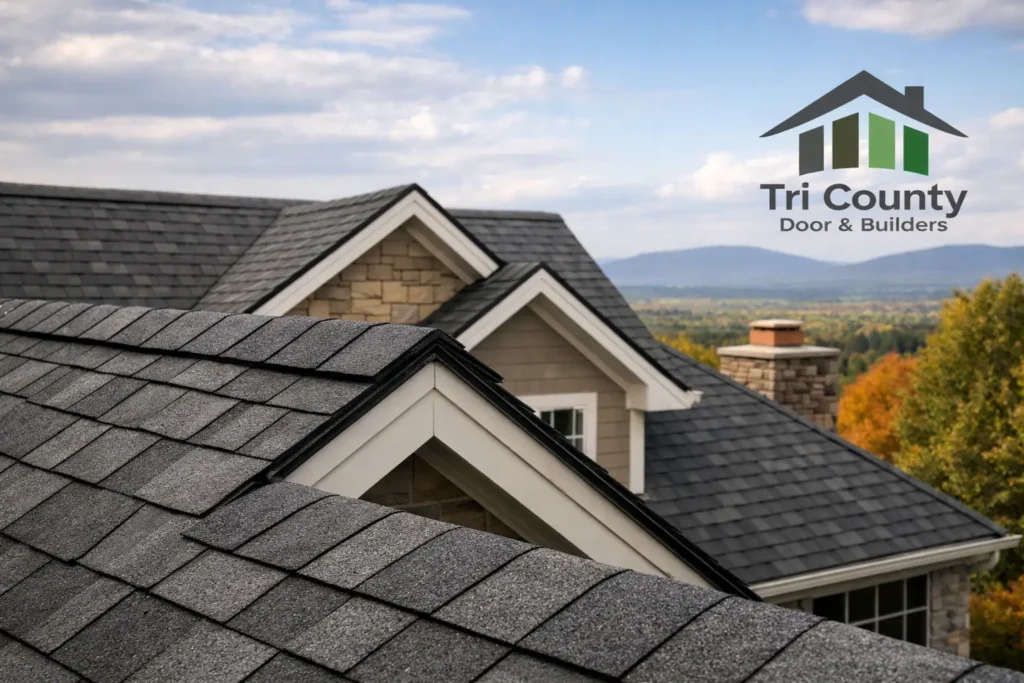
For many homes, the popular Timberline line is where the decision begins. These architectural shingles can create a dimensional look that works well on ranch homes, farmhouses, colonials, and newer construction alike. Color choices matter, too. A roof covers a large portion of the home, so a gray, brown, black, or blended shade can either complement the siding and stone or make the entire exterior feel mismatched.
The practical benefit is choice. A homeowner with a tight budget may prioritize a dependable architectural shingle in a standard color. Someone planning to stay in the home for decades may place more value on upgraded wind protection, algae resistance, or a more distinctive profile. Neither approach is automatically right. The best roof is the one that fits the property, the local weather exposure, and the realistic project budget.
The Details That Matter More Than Color
Shingles get most of the attention, but a roof is a system. A quality installation considers the roof deck, underlayment, ice and water protection, ventilation, flashing, starter shingles, ridge cap shingles, and the fasteners that keep everything secure. A good-looking shingle cannot make up for damaged decking or poorly handled flashing around chimneys, valleys, walls, and vents.
This is especially relevant in Westmoreland, Somerset, and Fayette Counties, where winter weather can expose weak points quickly. Ice buildup near eaves, wind at exposed ridges, and repeated freezing and thawing can all turn a small installation error into a ceiling stain or a damaged deck.
Wind Ratings and Installation Requirements
Wind ratings are worth discussing, but they should not be treated as a simple product label. A shingle’s stated wind resistance may depend on using specified starter products, proper fastening patterns, correctly placed nails, and compatible ridge components. Roof slope, building height, and exposure also affect what a contractor should recommend.
If your home sits on a ridge, in an open rural area, or near a broad field where wind has little obstruction, ask specifically about wind exposure. A standard roofing package may be appropriate for one house and inadequate for another only a few miles away. That is why a roof inspection should come before a price quote based solely on square footage.
Algae Resistance Is Helpful, Not Magic
Dark streaks on a roof are often caused by airborne algae, particularly on shaded or north-facing slopes. Some GAF shingle options include algae-resistant technology that can help reduce staining. It is a useful feature for homes surrounded by trees or located where moisture lingers after rain.
It does not eliminate the need to manage overhanging branches, keep gutters clear, and address drainage problems. Moss, trapped debris, and poor attic ventilation can still shorten the life of a roof. Product features work best when the roof is maintained and the home is shedding water as it should.
Choosing the Right GAF Shingle Style
Start with performance, then narrow the appearance. A roof should suit the house, but it also has a job to do every day of the year. Architectural shingles are often a sound middle ground for homeowners seeking durability and curb appeal without moving into specialty materials.
Color deserves an in-person look whenever possible. A sample viewed under indoor lighting can look very different outside at noon, on an overcast day, or beside existing brick. Consider the siding, trim, stonework, gutters, and garage door. Cool gray roofs often work well with blue, white, and gray exteriors, while warmer brown blends can better complement tan siding, natural stone, or earth-toned metal accents.
Be cautious about choosing a color only because it is currently popular. A roof is a long-term purchase. Choose a shade that fits the property rather than chasing a trend that may feel dated before the roof reaches the middle of its service life.
Cost, Warranty, and the Questions to Ask
Roofing estimates can vary for valid reasons. The number of layers being removed, deck repairs, roof pitch, valleys, chimneys, skylights, ventilation needs, disposal, and accessibility all affect the final cost. A low quote may not include the same tear-off, flashing work, underlayment, or cleanup as another proposal.
GAF warranty options can also be confusing because coverage depends on the specific shingle, the complete roofing system used, installation requirements, registration, and the written warranty terms. Ask for the actual warranty information for the proposed materials instead of relying on a broad promise of a “lifetime roof.” In many cases, that phrase refers to a limited warranty and does not mean every roof issue will be covered forever.
Before approving a roofing proposal, make sure you can get clear answers to these questions:
- Which exact shingle line and color are included?
- Will the old roof be removed, and how many layers are currently on the house?
- What underlayment and ice and water protection will be installed?
- How will flashing, vents, pipe boots, valleys, and ridge caps be handled?
- What happens if damaged roof decking is found after tear-off?
- What workmanship coverage and manufacturer warranty apply to this specific job?
Straight answers protect the homeowner and set fair expectations for the contractor. Roofing is not a project where vague allowances are helpful.
When GAF Shingles May Not Be the Best Fit
Asphalt shingles remain a practical roofing choice for many homes, but they are not the answer for every building. A low-slope roof may need a different roofing system. A barn, garage, workshop, or commercial structure may be better served by metal roofing, especially when long panels, lower maintenance, and a different roof profile make more sense.
Property owners should also consider future plans. If you expect to add solar panels soon, repair structural issues, or install new attic insulation and ventilation, coordinate the work before or during the roofing project where possible. Removing and reinstalling components later can add unnecessary expense.
For homes with recurring leaks, the answer may be a repair rather than full replacement. Missing shingles, loose flashing, damaged pipe boots, or a small section affected by a fallen branch can often be addressed without replacing an otherwise serviceable roof. On the other hand, widespread granule loss, curled shingles, repeated leaks, soft decking, and extensive storm damage usually point toward replacement.
A Better Way to Plan Your Roof Replacement
Begin with a site-specific inspection and a conversation about how the home is used. A rental property, a forever home, a farmhouse, and a commercial office each call for a different balance of upfront cost, appearance, and expected service life. Be upfront about your budget, but also ask what changes would meaningfully improve the roof’s weather protection.
Tri County Door & Builders helps local property owners compare roofing materials without treating every project as identical. Whether you are considering GAF shingles, another asphalt option, or a metal roofing system, the goal should be a roof package that fits the building and is installed with the details handled correctly.
A new roof is easier to choose when the proposal is clear, the materials are specified, and the installer explains the work in plain language. Take the time to compare more than shingle colors. The protection beneath the shingles, the condition of the deck, and the quality of the installation are what will matter when the next Pennsylvania storm arrives.