


A roof usually gets your attention after a problem starts. Maybe it is a stain on the ceiling, fasteners backing out, or panels that have taken a beating through a few Pennsylvania winters. That is why leakstop metal roofing systems matter to so many property owners – they are built around the one thing nobody wants to deal with later: water getting where it should not.
For homeowners, farmers, and business owners, metal roofing is often appealing for the same reason. You want something durable, low-maintenance, and worth the money. But not every metal roof is the same, and not every building needs the same panel profile, gauge, or installation approach. Choosing the right system takes more than comparing colors and price per square.
What leakstop metal roofing systems are designed to do
At the most basic level, Leakstop metal roofing systems are made to provide long-lasting weather protection with steel panels, matching trim, and accessories that work together as a complete roof. The value is not just in the panel itself. It is in how the system handles water, wind, fastening points, overlap details, and expansion and contraction over time.
That systems-based approach matters. A roof can look fine from the ground and still have weak points around screws, ridges, valleys, pipe penetrations, or transitions where one roof section meets another. Good metal roofing reduces those vulnerabilities by pairing quality materials with correct panel selection and careful installation.
For many buildings, metal also offers a practical advantage over shorter-life roofing materials. It stands up well to rain, snow, sun exposure, and the temperature swings common in this region. If the roof is installed properly and matched to the structure, it can be a smart long-term investment rather than a short-term fix.
Where leakstop metal roofing systems make the most sense
One reason metal roofing stays popular is that it works across a wide range of properties. Leakstop metal roofing systems can be a strong fit for homes, garages, workshops, barns, equipment sheds, and light commercial buildings. They are especially attractive on structures where durability and low upkeep matter more than ornamental appearance.
That said, the best fit depends on the building. A detached garage or agricultural building may be well suited for an exposed-fastener panel because it keeps costs down and still delivers solid protection. A higher-end home or a commercial property with stricter appearance goals may call for a different profile or a more tailored installation plan.
Roof slope also matters. Some metal panel systems perform best on steeper roofs, while others are engineered to handle lower-slope applications when installed to specification. If the pitch is too low for the panel type, leaks become more likely no matter how good the material looks on paper.
The real difference between a good metal roof and a bad experience
Metal roofing has a strong reputation, but bad installations are the reason some people hesitate. In most cases, leaks on metal roofs are not caused by the concept of metal roofing. They come from shortcuts.
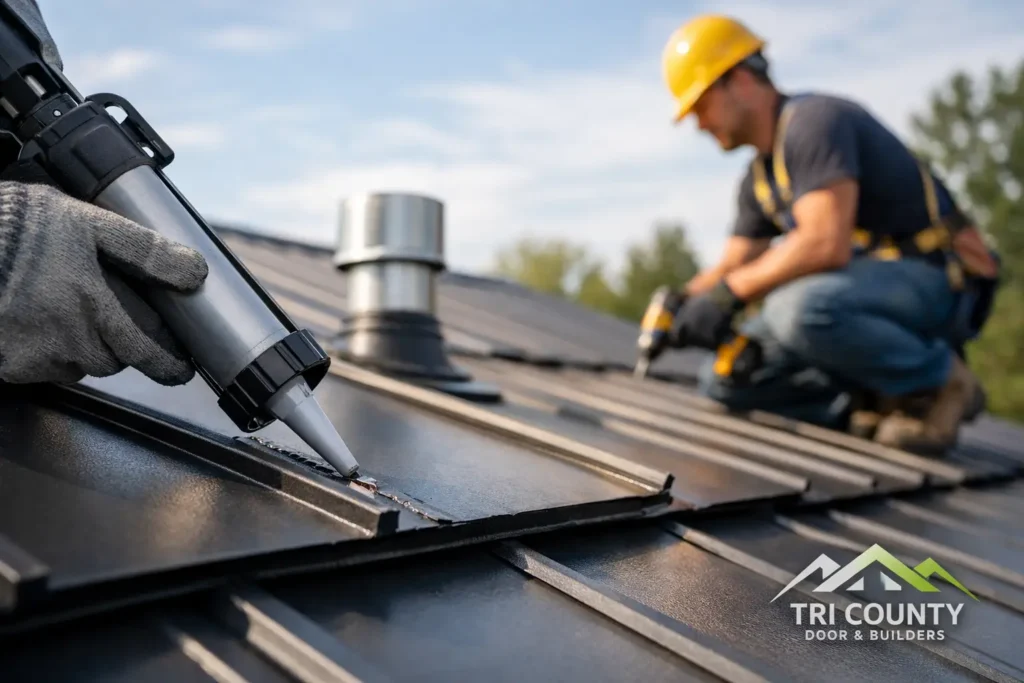
Common trouble spots include misaligned panels, incorrect fastener placement, underlayment issues, poor flashing work, and roof penetrations that were never detailed correctly. Even a quality product can underperform if the trim package is incomplete or the installer treats sealant like a substitute for proper design.
This is where experience matters. A dependable supplier and installer should be able to explain why one panel profile fits your building better than another, how ventilation and insulation affect roof performance, and what details are going to matter most for your layout. That kind of guidance can save money upfront and prevent expensive repairs later.
Leakstop metal roofing systems and long-term value
People often compare roofing options by initial price, and that is understandable. Roofing is a major expense. But with metal, the better question is usually cost over time.
A cheaper roof that needs replacement sooner, demands more maintenance, or suffers leak-related damage can end up costing more than a properly installed metal system. Leakstop metal roofing systems are often chosen because they offer a balance of durability, performance, and affordability for owners who want fewer headaches over the years.
There are trade-offs, of course. Metal generally costs more upfront than basic asphalt roofing options. Some buildings may require additional framing review, insulation planning, or trim work. Noise is another concern people bring up, although in many finished residential applications, proper underlayment, insulation, and attic design reduce that issue significantly.
The point is not that metal is automatically the right answer for every roof. It is that for many properties, especially outbuildings, rural structures, and owners planning to stay put, the long-term value is hard to ignore.
What to look at before choosing leakstop metal roofing systems
Before settling on a roof, it helps to look at the whole project instead of just the panel.
Panel style and fastening method
Some metal roofs use exposed fasteners, which can be cost-effective and practical for many structures. Others use concealed fastening systems for a different look and different performance profile. Neither is universally better. It depends on your budget, your building type, and how important appearance is to the finished project.
Steel thickness and finish
Gauge, paint system, and coating quality all affect how the roof performs and how it looks years from now. A lower price can sometimes reflect thinner material or a less durable finish. That may be acceptable on one building and a poor choice on another.
Trim, flashing, and transitions
A roof system is only as strong as its details. Ridge caps, eave trim, gable trim, valley metal, pipe boots, and closure strips all play a part in keeping water out. If those components are treated as afterthoughts, the roof is more likely to develop issues.
Installation conditions
Every building has variables. Roof pitch, existing decking condition, ventilation, insulation, and the number of penetrations all affect the installation plan. A simple rectangular roof is different from a roof with multiple valleys, dormers, or tied-in additions.
Why local conditions matter more than a brochure
A roof in Southwestern Pennsylvania deals with more than rain. Snow load, freeze-thaw cycles, wind exposure, and humidity all affect performance over time. That is why product choice and installation details should match the region, not just the manufacturer sheet.
For example, snow retention may be worth discussing on some buildings. Ventilation and condensation control are also critical, especially in garages, pole buildings, and agricultural structures where interior temperature swings can create moisture problems. If those issues are ignored, even a durable roof panel can end up with avoidable performance concerns.
This is where a local building supplier with real installation knowledge brings value. Instead of selling a generic package, they can help property owners sort through what actually makes sense for the building, the budget, and the weather it has to handle year after year.
Maintenance expectations for leakstop metal roofing systems
One of the biggest selling points of metal roofing is lower maintenance, but lower maintenance does not mean no maintenance. A metal roof still benefits from periodic inspection, especially after major storms or heavy winter weather.
Fasteners should be checked when applicable. Sealants and flashing around penetrations should be evaluated over time. Debris should be cleared from valleys and drainage areas. If tree branches rub against the roof or trim, that should be addressed before finish wear becomes a bigger issue.
The good news is that maintenance is generally straightforward when the system is installed correctly from the start. Small checks at the right time are much easier than dealing with hidden water damage later.
Is a Leakstop roof right for your property?
If you are replacing a worn roof, building a new garage, planning a pole barn, or upgrading a commercial structure, Leakstop metal roofing systems are worth a serious look. They offer a practical combination of durability, weather resistance, and long-term value that appeals to property owners who would rather do the job once and do it right.
Still, the right answer depends on your building and your priorities. Some customers are focused on upfront budget. Others care more about lifespan, appearance, or reducing future maintenance. A good supplier will not force one answer on every customer. They will help you weigh the trade-offs and choose a system that fits the job.
That is the approach Tri County Door & Builders has built its reputation on since 1998 – straightforward advice, dependable products, and solutions that make sense for the property in front of you. When you are talking about something as important as a roof, that kind of practical guidance goes a long way.
A good roof should give you confidence every time the forecast turns bad, not another reason to worry.