



A roof replacement is not the kind of project most property owners plan for years in advance. Usually, it starts with a leak, missing tabs after a hard storm, dark staining near the attic, or shingles that have simply reached the end of their useful life. Owens Corning shingles give homeowners a dependable asphalt roofing option with a broad range of colors and performance levels, but the right roof still comes down to the home, the existing roof deck, the installation method, and the local weather it must handle.
For homeowners in Southwestern Pennsylvania, that means planning for more than a good-looking finished roof. Freeze-thaw cycles, snow load, wind, rain, shaded areas, and falling debris can all affect how a roofing system performs. A smart replacement starts with a clear understanding of the shingle line you are considering and what should be included beneath it.
Why Owens Corning Shingles Are a Popular Choice
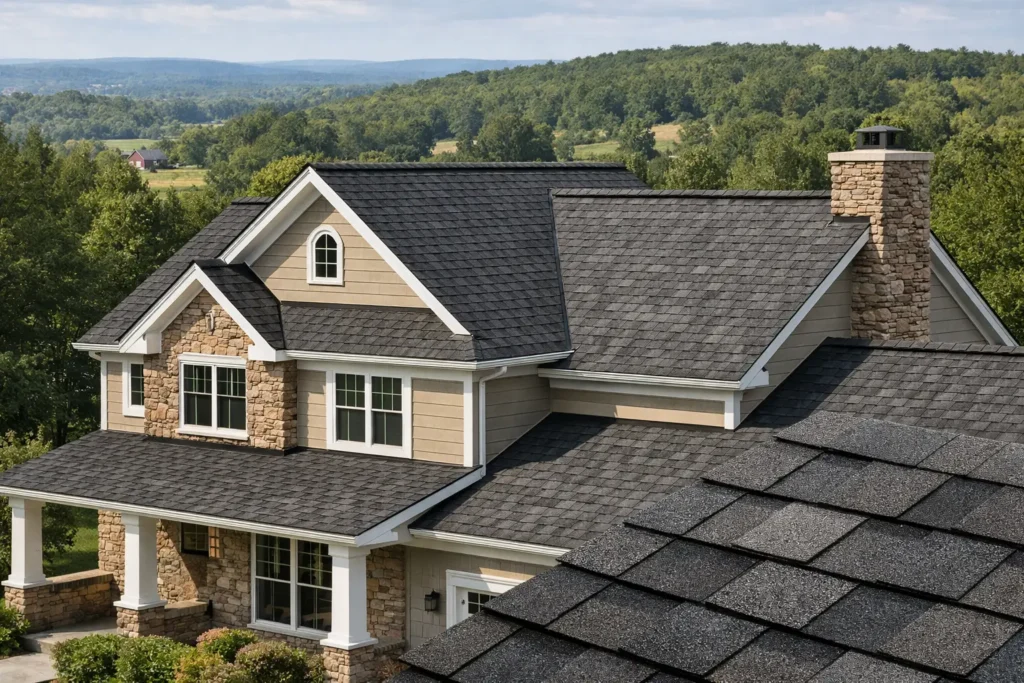
Owens Corning is a familiar name in roofing because its asphalt shingle options cover a wide range of budgets and styles. For many homes, architectural shingles offer the right balance of appearance, durability, and cost. Their dimensional profile creates more visual depth than basic three-tab shingles, helping a roof look more substantial without moving into the cost of specialty materials.
The practical appeal is just as important. Asphalt shingles are repairable, widely understood by experienced installers, and available in colors that work with brick, stone, siding, and rural properties alike. Homeowners can choose a traditional neutral roof color or add contrast that sharpens the appearance of the whole exterior.
That does not mean every Owens Corning product is the same. Product lines, color availability, wind ratings, warranty terms, and installation requirements can differ. A lower-cost option may be appropriate for a rental property, detached garage, or building with a limited remaining service life. A homeowner planning to stay in the house for decades may reasonably place more value on a higher-performing architectural shingle and a more complete roofing system.
Choosing the Right Shingle for Your Roof
The best shingle is not always the highest-priced one on the display. It is the one that fits the roof’s condition, slope, exposure, and your plans for the property. Roofs with several valleys, dormers, skylights, transitions, or low-slope areas need careful attention to flashing and underlayment. Those details often matter more to leak prevention than upgrading one level of shingle.
Architectural shingles are a common choice for primary residences because they provide a dimensional appearance and solid everyday performance. Owens Corning Duration shingles are often considered by homeowners who want enhanced visual definition and stronger fastening design, while other lines can make sense when value is the top priority. Availability can vary, so it is wise to select from products that can be properly matched with the needed accessories rather than choosing solely from a color sample.
Color deserves a practical conversation, too. Dark shingles can create a bold, classic appearance and pair well with many homes, but they can also show dust, pollen, and fading differently than lighter options. Lighter blends can soften the look of a large roof and may be a better fit for certain siding colors. The right choice should complement the permanent parts of the property, including masonry, siding, trim, and garage doors.
If you are replacing a roof after storm damage, do not assume the new shingles must exactly match an older section. Weathering changes shingle color over time, and partial repairs can be more visible than many homeowners expect. A roofing professional can help you weigh repair versus replacement based on the extent of damage and the age of the existing roof.
A Shingle Roof Is a System, Not Just a Surface
Shingles are the visible part of the roof, but they are only one part of the assembly. A dependable installation begins with a sound roof deck. Soft spots, water-damaged sheathing, or loose decking should be addressed before the new material goes on. Covering those problems may make the roof look finished, but it does not correct the cause.
Underlayment provides a secondary layer of protection beneath the shingles. In vulnerable areas, such as eaves, valleys, and around penetrations, ice and water protection may be especially important. This is relevant in Pennsylvania, where melting snow can refreeze near colder roof edges and force water where it does not belong.
Ventilation also affects the life of the roofing system. A properly balanced attic ventilation plan helps manage heat and moisture. Without it, excess moisture can contribute to mold, damp insulation, and deterioration of roof components. Excess heat can also place additional strain on the roofing assembly. Ventilation solutions depend on the attic layout, intake air at the eaves, exhaust at the ridge or other approved locations, and whether existing ventilation is actually functioning.
Flashing is another area where workmanship shows. Chimneys, walls, pipe boots, valleys, skylights, and step transitions require correct materials and careful installation. A roof can have quality shingles and still leak if the flashing work is poor. When reviewing an estimate, ask what happens at these critical points, not just how many squares of shingles are included.
How to Compare Roofing Estimates Honestly
A low roofing estimate can look appealing until you find out what is missing. Comparing bids line by line is the best way to avoid surprises. Confirm whether tear-off and disposal are included, whether damaged decking is priced separately, and what underlayment, starter shingles, ridge cap, ventilation, and flashing work are part of the scope.
It also helps to ask who will perform the installation and how the property will be protected during the project. Roofing is disruptive for a short period. A professional crew should have a clear plan for material delivery, debris handling, magnet sweeping for nails, and final cleanup.
Price matters, especially when a roof replacement arrives unexpectedly. But the cheapest quote is not automatically the most affordable roof. If the proposal leaves out needed ventilation, uses mismatched components, or does not address deteriorated decking, the initial savings may lead to repairs that cost more later. Look for a straightforward explanation of the product, the labor, and the conditions that could affect final pricing.
Save on a New Roof Without Settling for Less
Tri County Door & Builders is offering 30% off Owens Corning shingles, helping homeowners avoid the higher pricing often associated with the Pittsburgh market. For a planned roof replacement, that savings can create room in the budget for the work that protects the roof long term, including proper underlayment, ventilation improvements, and necessary deck repairs.
The offer is particularly useful for property owners who have delayed replacement because the project felt financially out of reach. Waiting is not always the wrong decision, but it becomes risky when shingles are curling, granules are collecting in gutters, leaks are appearing, or the roof has sustained storm damage. Small warning signs can become damaged insulation, stained ceilings, and structural repairs if water keeps finding its way inside.
A local supplier and installer can help make the process more straightforward. Instead of being pushed toward one product for every building, you should receive guidance based on the roof you have, the budget you need to maintain, and the result you expect. That is especially valuable for homeowners comparing colors, deciding whether to repair or replace, or trying to coordinate a roofing project with siding, garage door, or insulation work.
Before You Schedule Your Roofing Project
Walk around the property and make note of visible concerns, including missing shingles, sagging areas, algae streaks, loose gutters, and damaged fascia. If you can safely view the attic, look for water stains, damp insulation, daylight near penetrations, or signs of poor ventilation. These observations help start a productive conversation, but they are not a substitute for a professional roof inspection.
Try to plan around practical details as well. Move vehicles away from the driveway if materials or debris will be handled there, protect outdoor furniture, and let neighbors know if the homes are close together. If your roof has solar equipment, satellite dishes, or unusual features, mention them early so they can be properly accounted for in the scope of work.
A new roof should give you more than a fresh color from the street. With the right Owens Corning shingles, sound installation practices, and honest guidance on the full roofing system, it can provide the confidence that your home is ready for the next hard season.