



A roof rarely fails on a convenient schedule. One missing shingle after a hard wind, a brown ceiling stain after snowmelt, or granules collecting at the downspout can turn a routine inspection into a bigger decision. For roof replacement Fayette County PA homeowners and property owners, the goal is not simply putting new shingles on the house. It is choosing a roofing system that can handle Southwestern Pennsylvania weather, protect the structure below it, and fit the budget without cutting corners that create problems later.
When Roof Replacement Makes More Sense Than Repair
A repair is often the right call when damage is limited to a small, clearly defined area. A few wind-damaged shingles, a pipe flashing issue, or a minor leak around a vent may be corrected without replacing the entire roof. The key is that the surrounding roof still needs to be in sound condition.
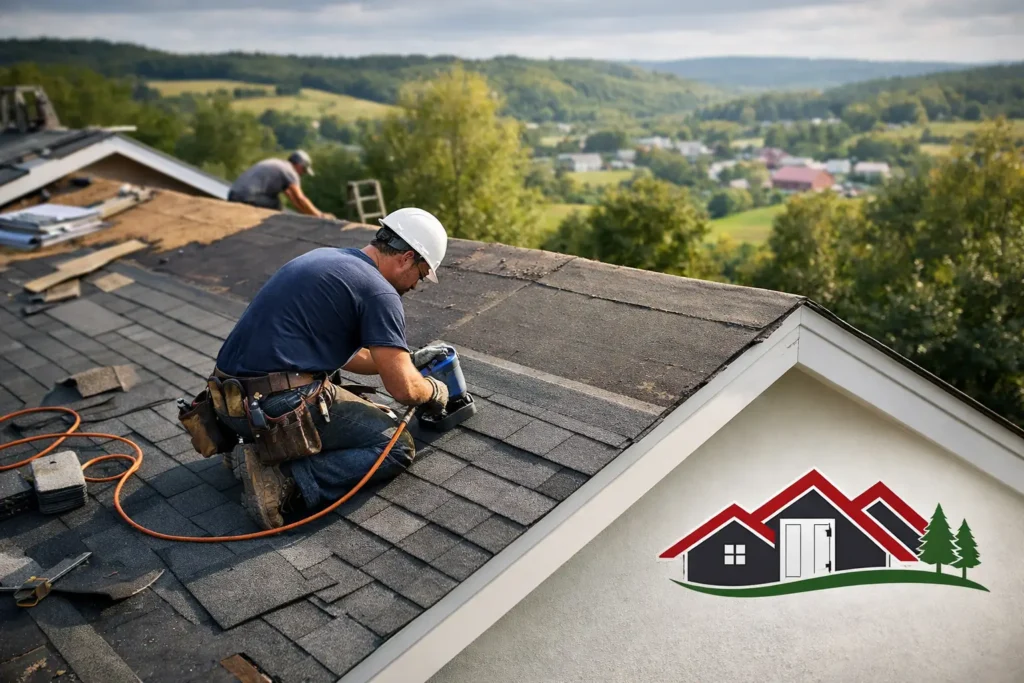
Replacement becomes the more practical investment when shingles are brittle, curling, cracking, losing large amounts of granules, or showing widespread damage. Repeated leaks are another warning sign. If one repair leads to another every season, the cost and uncertainty can start to outweigh the price of a new system.
Age matters, but it is not the only factor. Many asphalt shingle roofs last roughly 20 to 30 years, depending on shingle quality, installation, attic ventilation, roof pitch, tree coverage, and storm exposure. A roof nearing the end of that range may still look acceptable from the driveway while the materials beneath the surface are weakening.
A professional inspection should look beyond the shingles. Decking condition, flashing, penetrations, valleys, drainage, ventilation, and the condition of previous repairs all affect whether a roof can be repaired confidently or should be replaced.
What Affects Roof Replacement Costs in Fayette County PA?
There is no responsible one-price answer for every roof. Two homes with the same square footage can have very different roofing costs because the roof itself may be entirely different.
Roof size is the starting point, but pitch and complexity matter just as much. A steep roof requires more labor and safety measures than a low-slope roof. Dormers, skylights, chimneys, valleys, multiple roof lines, and difficult access all add time and materials. Removing one layer of old shingles is different from removing multiple layers, and damaged decking discovered during tear-off may need to be replaced before the new roof can be installed properly.
Material selection is another major factor. Standard architectural asphalt shingles are a popular option because they provide dependable performance and curb appeal at a practical price. Premium shingle lines may offer upgraded appearance, impact resistance, algae resistance, or stronger wind protection. Metal roofing can be a strong long-term choice for certain homes, garages, agricultural structures, and commercial applications, but its upfront cost and installation requirements are different.
A clear estimate should explain the scope of work, not just present a bottom-line number. Ask whether it includes tear-off, underlayment, ice and water protection where needed, flashing, ridge ventilation, disposal, cleanup, and any potential decking repairs. A lower quote can become expensive if important components were left out from the beginning.
Shingles Are Only One Part of the System
A new roof performs best when its components work together. Shingles are the visible layer, but they rely on the underlayment below them, proper flashing at vulnerable transitions, and ventilation that helps manage heat and moisture in the attic.
Flashing deserves special attention. Areas around chimneys, walls, valleys, skylights, plumbing vents, and roof-to-wall transitions are common leak points. Reusing worn or improperly installed flashing can shorten the life of a new roofing project, even if the shingles themselves are high quality.
Ventilation is equally important, especially in homes with finished attics or uneven temperatures upstairs. Without adequate intake and exhaust ventilation, heat and moisture can build up beneath the roof deck. That can contribute to premature shingle aging, condensation, mold concerns, and winter ice dams. The right approach depends on the home’s layout, attic configuration, insulation level, and existing ventilation.
Tri County Door & Builders installs Owens Corning shingles and Pro-Cat insulation, which can be particularly useful when a roof replacement reveals a larger attic comfort or efficiency issue. Addressing insulation and ventilation at the same time can help the home perform better after the roof work is complete.
Choosing the Right Shingle for Your Property
The best shingle is not always the most expensive one. It is the one that matches the roof, the property’s needs, and the owner’s long-term plans.
Architectural shingles are a reliable fit for many Fayette County homes. They have more dimension than basic three-tab shingles and are available in colors that work with traditional homes, farmhouses, garages, and newer construction. Brands such as Owens Corning, GAF, and TAMKO offer options across different price points and performance levels.
Homeowners should consider local conditions when comparing products. Heavily wooded lots may benefit from algae-resistant shingles. Exposed hilltop properties may need stronger wind-rated options. A homeowner planning to stay in the house for decades may place more value on upgraded materials, while someone preparing a property for sale may focus on dependable protection and strong curb appeal at a disciplined budget.
Color is worth considering carefully. A roof covers a large visual area, and samples can look different outdoors than they do in a showroom. Look at the siding, brick, stone, trim, and surrounding landscape before making a final selection. A knowledgeable local supplier can help narrow choices without pushing every project toward the same product.
Timing Your Roofing Project
Spring through fall is often the busiest roofing period in Western and Southwestern Pennsylvania. Mild conditions can provide good installation windows, but demand is also higher after winter damage and summer storms. Waiting until a leak becomes severe can limit scheduling choices and put the interior of the property at risk.
That does not mean every older roof needs to be replaced immediately. A sound roof with a few years of useful life may only need maintenance and regular inspections. On the other hand, an aging roof that is already showing wear should be planned before another harsh winter, rather than treated as an emergency after water enters the home.
Weather can affect project schedules, and a dependable contractor should be upfront about it. Roofing materials need appropriate installation conditions, and rushing through rain, high winds, or unsafe temperatures is not good workmanship. A realistic schedule is better than a promise that ignores the forecast.
Insurance Claims and Storm Damage
If wind, hail, or a fallen limb damages a roof, document the condition as soon as it is safe. Take clear photos from the ground, note the date of the event, and prevent additional interior damage where possible. Your insurance carrier determines coverage, and policy details, deductibles, roof age, and cause of loss all matter.
A contractor can identify visible damage and provide a detailed scope of work, but should not promise what an insurer will approve. Be cautious with anyone who guarantees a claim outcome or urges you to sign paperwork before you understand the proposal. A straightforward roofing professional will help you understand the condition of the roof and give you the information needed to make a sound decision.
How to Compare Roofing Estimates
Comparing estimates is easier when each contractor is pricing the same work. Review the materials, warranty information, installation method, ventilation plan, flashing details, and cleanup process. Confirm who will perform the work and how the property will be protected during tear-off.
Price matters, especially on a major home expense, but it should not be the only deciding factor. A roof installed with incomplete underlayment, poor flashing work, or inadequate ventilation may cost less on day one and create costly repairs later. Value comes from quality materials, skilled installation, a clearly written scope, and a company that will answer the phone after the project is finished.
For homeowners looking to stretch their budget, Tri County Door & Builders is offering 30% off Owens Corning shingles. That can be an opportunity to avoid inflated big-market pricing while choosing a recognized roofing product, but availability, material selection, and project requirements should still be confirmed before planning around a final price.
Prepare the Home Before Installation
Roof replacement is a major exterior project, and a little preparation protects the property and makes the workday easier. Move vehicles from the driveway and garage access area, secure patio furniture and grills, and remove fragile wall items inside the home. Hammering and tear-off can create vibration that surprises many homeowners.
Let the contractor know about pets, gates, landscaping concerns, electrical lines, and any areas that need special access coordination. Expect noise during working hours and plan accordingly if someone works from home, has young children, or needs a quiet environment.
A well-planned roof replacement gives you more than fresh shingles. It gives you a chance to correct hidden weak points, improve attic performance, and protect one of your largest investments before small warning signs become expensive interior damage. The right time to request an inspection is while you still have choices, not after the next storm makes the decision for you.