




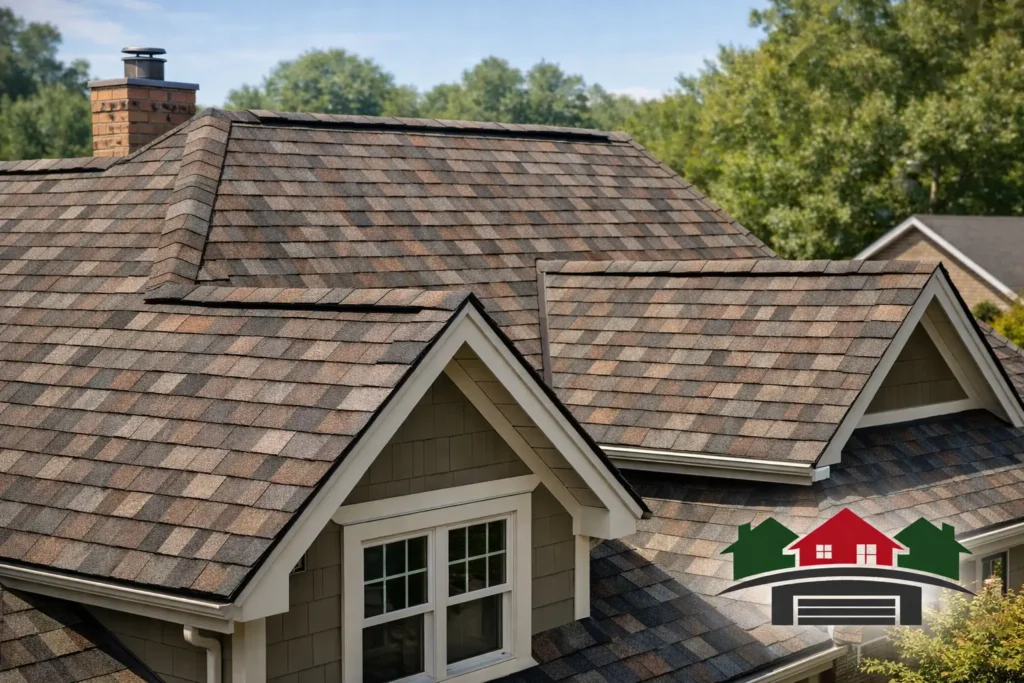
A new roof has to do more than look good from the road. In Southwestern Pennsylvania, it needs to handle freeze-thaw cycles, wind-driven rain, summer heat, falling branches, and the occasional hard winter. This Tamko Heritage shingles review looks at what homeowners and property owners can reasonably expect from this popular architectural shingle line, where it offers real value, and where it may make sense to consider another option.
TAMKO Heritage shingles are laminated asphalt shingles, often called architectural or dimensional shingles. They are built to create more depth and shadow than entry-level three-tab shingles, giving a roof a more substantial appearance without moving into the cost of premium designer roofing. For many reroofing projects, Heritage sits in the practical middle ground: a better-looking, heavier-duty choice than basic shingles, with a price that can still fit a careful budget.
Tamko Heritage Shingles Review: The Short Answer
Heritage shingles are a solid option for homeowners who want a dimensional asphalt roof with a traditional appearance and a broad color selection at a competitive price. They are not the cheapest shingle on the market, nor are they meant to be the highest-impact or longest-lasting specialty roof available. Their appeal is value: a recognizable architectural shingle that can suit many homes, garages, rentals, and small commercial properties when installed correctly.
The biggest factor is not the shingle bundle alone. Roof performance depends on the complete system – decking condition, underlayment, ice and water protection where needed, ventilation, flashing, starter course, fastener placement, and workmanship. A quality shingle installed over weak decking or poor ventilation will not perform like it should.
What You Get With Heritage Shingles
The Heritage line uses a laminated construction that gives the roof a layered look. That added dimension is one reason architectural shingles have largely replaced three-tab products on many residential projects. The visual effect is especially noticeable on homes with visible front-facing roof planes, dormers, garages, or a moderate roof pitch.
Heritage shingles are generally available in a range of blended colors, from neutral grays and browns to deeper weathered tones. The right choice depends on brick, siding, stone, trim, and the way the property looks in natural light. A shingle sample can look very different outside than it does under indoor lighting, so it is worth viewing actual samples against the building before making a final color decision.
TAMKO offers limited warranty coverage on Heritage products, with terms that can vary by product, ownership status, installation details, and the date of purchase. Certain wind coverage may require specific installation methods and compatible roofing components. Read the current warranty document before selecting a roof, rather than relying on a general statement from an old brochure or online review.
Wind Performance Is an Installation Question
Homeowners often see a wind rating and assume every roof automatically receives that level of protection. That is not how roofing systems work. Wind resistance may depend on using the correct nail pattern, the required number of fasteners, approved starter shingles, proper sealing conditions, and roof-deck preparation.
This matters on exposed properties, hilltops, open farm locations, and homes that receive strong weather from several directions. Ask the installer which installation method will be used and whether it meets the requirements for the wind coverage being discussed. This is a simple conversation that can prevent a costly misunderstanding later.
The Appearance Is a Real Selling Point
A roof covers a large portion of a home’s exterior, so the visual difference between a flat three-tab pattern and a dimensional shingle is significant. Heritage shingles provide defined shadow lines without an overly dramatic or high-end designer look. That makes them a good fit for many ranch homes, colonials, capes, split-levels, detached garages, and pole-building residences.
The trade-off is that color blends are subjective. One homeowner may prefer a strong contrast and visible texture, while another wants a roof that recedes and lets siding or stone stand out. There is no universally best color. A dark shingle can add contrast but may show pollen, dust, and weathering differently than a mid-tone blend. A lighter or variegated color can be more forgiving on some properties.
Durability in Pennsylvania Weather
Asphalt shingles are a proven roofing choice in this region, but they should be selected with realistic expectations. Snow load, ice, rain, tree debris, and temperature swings all put stress on a roof over time. Heritage shingles are designed for standard residential exposure, and they can serve a property well when the roof system is properly assembled and maintained.
For homes with shaded roof sections, the issue is often moisture and organic growth rather than wind. Overhanging limbs and accumulated leaves can keep shingles damp, restrict airflow, and contribute to staining or deterioration. Keeping gutters clear, trimming branches away from the roof, and addressing moss before it spreads will help any asphalt roof last longer.
Attic ventilation also deserves attention during a roof replacement. Poor ventilation can trap heat and moisture, which may contribute to premature aging, condensation concerns, and uncomfortable indoor temperatures. A contractor should inspect intake and exhaust ventilation as part of the reroofing plan instead of treating shingles as a stand-alone purchase.
Where Heritage Offers the Best Value
TAMKO Heritage makes the most sense when you want a dependable architectural shingle without paying for features your property does not need. It is often a sensible choice for a primary residence, a rental house, a detached garage, or a budget-conscious reroof where curb appeal still matters.
It can also be a practical choice when the existing roof has reached the end of its service life but the homeowner is not planning a major exterior redesign. The dimensional profile improves the appearance of the property without requiring a premium roofing budget.
For contractors and DIY-minded property owners, availability matters as much as a specification sheet. A locally stocked product can make scheduling, color matching, and replacement material easier to manage. Confirm the exact Heritage color and accessory products are available before the job is scheduled, particularly during busy roofing season.
When Another Shingle May Be Better
No review is complete without the trade-offs. Heritage may not be the best fit for every roof. If your property faces repeated severe weather, is located in a high-wind exposure area, or has a history of hail damage, a higher-impact-rated shingle may be worth the added upfront cost. That decision depends on the roof’s exposure, insurance considerations, and how long you expect to own the property.
A homeowner focused on a specific warranty structure, enhanced algae protection, solar reflectivity, or a premium designer appearance should compare product lines side by side. Those features can be valuable, but they are not free. Paying more makes sense only when the upgrade solves a real concern for your building.
The same goes for metal roofing. Metal can be an excellent long-term solution for some homes, agricultural buildings, and commercial properties, but it is a different investment with different installation requirements, appearance, and budget. An asphalt shingle roof is often the right answer when a homeowner wants proven performance, familiar aesthetics, and a more moderate initial cost.
Questions to Ask Before Choosing TAMKO Heritage
Before approving a quote, ask what is included beyond the field shingles. A complete proposal should identify tear-off or overlay work, decking repairs if needed, underlayment, ice and water protection, flashing, ventilation changes, drip edge, ridge materials, cleanup, and disposal. It should also explain the workmanship coverage separately from the manufacturer warranty.
Ask whether the crew will inspect the deck after the old roof is removed. Hidden soft spots, damaged sheathing, and improperly flashed areas are easier to correct during replacement than after new shingles are installed. A low estimate that leaves these items vague can become expensive once work begins.
It is also wise to ask how the contractor handles weather delays and protects the property if a roof cannot be completed in one day. Roofing is weather-dependent, and a straightforward plan matters more than a promise that weather will never interfere.
A Practical Choice Starts With a Clear Scope
TAMKO Heritage shingles can be a good, sensible roof for the right project. Their dimensional look, established asphalt-shingle construction, and competitive position make them worth considering alongside other major brands. The best choice comes down to the home, roof geometry, weather exposure, desired appearance, and total installed price – not a label on a bundle.
For property owners in Westmoreland, Somerset, and Fayette counties, Tri County Door & Builders can help evaluate roof options in plain terms and build a quote around the complete system, not just the shingle color. Bring photos, roof measurements if available, and a clear idea of your priorities. A few careful decisions before installation can make the next roof replacement feel like a long way off.