




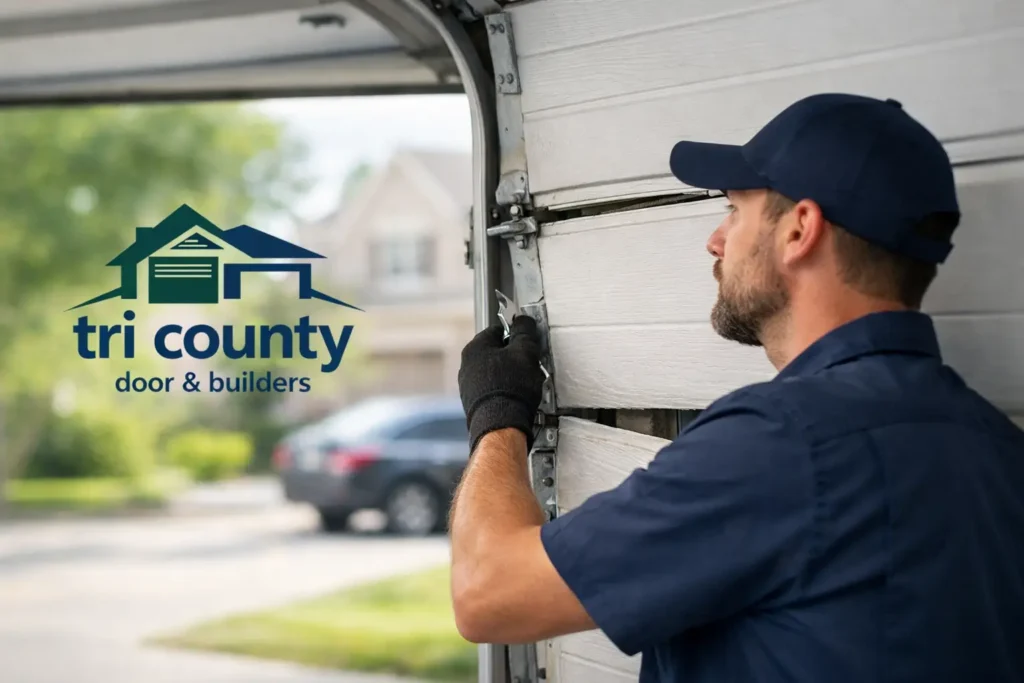
A search for “garage door repair greesnburg” usually means something has already changed: the door is making a grinding sound, stopping halfway, hanging unevenly, or refusing to open when you need to leave. A garage door is one of the largest moving parts of a property, and small issues can become safety problems quickly. Knowing what requires professional attention can help protect your vehicle, belongings, and the people who use the door every day.
When Garage Door Repair in Greensburg Should Not Wait
A garage door does not have to be completely stuck to need service. In many cases, the early warning signs are clear if you know what to watch for. A door that moves slower than usual, shakes as it travels, or reverses before reaching the floor may have an issue with its springs, tracks, rollers, opener, or safety sensors.
Loud operation is another common concern. Some noise is normal, particularly with an older steel door or a chain-drive opener. Repeated squealing, popping, scraping, or metal-on-metal grinding is different. Those sounds can point to worn rollers, loose hardware, a track that has shifted, or a door that is no longer balanced properly.
A door that is visibly crooked needs prompt attention. If one side rises faster than the other, if a cable looks loose, or if the door is sitting out of the track, stop operating it. Continuing to run the opener can cause additional damage to panels, tracks, and the opener itself. It can also create a serious safety risk.
The same goes for a broken spring. Springs carry much of the door’s weight, allowing it to open and close with controlled force. When a spring breaks, the door may feel extremely heavy, the opener may strain, or you may hear a sharp bang from inside the garage. Springs are under high tension and should not be handled as a DIY repair.
Common Problems and What They May Mean
Garage door issues are not all alike, and the right repair depends on the source of the problem. A trained technician should inspect the entire system rather than simply replace the part that appears damaged.
If the opener runs but the door does not move, the issue could be a disconnected trolley, stripped gear, broken spring, or damaged cable. If the door opens a few inches and stops, a broken spring, obstructed track, or opener force setting may be involved. If it closes and immediately reverses, check for objects in the door’s path and wipe the photo-eye sensors clean. If the sensors are aligned and the problem continues, service is a smart next step.
Weather also matters in Southwestern Pennsylvania. Seasonal temperature swings can affect metal components, lubrication, and weather seals. Winter moisture and road salt brought into the garage can contribute to corrosion near the bottom of the door and its hardware. Heavy rain, wind, or a vehicle bump can put tracks out of alignment. A repair that addresses the underlying condition will last longer than a quick adjustment that ignores the cause.
The Balance Test Matters
A properly balanced garage door should not place excessive stress on the opener. With the opener disconnected and the door in the closed position, a professional can test whether the door stays near the halfway point when lifted manually. A door that drops quickly or rises on its own is out of balance.
Property owners should not perform this test if a cable is loose, a spring appears damaged, or the door is off track. Those conditions call for a service professional. The goal is not just to get the door moving again. It is to make sure the system operates safely and does not shorten the life of the opener.
Repairs You Can Check and Repairs to Leave Alone
There are a few simple checks a homeowner or property manager can make before scheduling service. Make sure nothing is blocking the door’s path. Check that the photo-eye lenses near the bottom of the tracks are clean and facing one another. Replace remote batteries when needed, and look for obvious damage to weatherstripping or door panels.
Beyond those basic checks, caution is the practical choice. Garage door springs, cables, bottom brackets, and tracks are not casual repair projects. Springs and cables can release stored energy with enough force to cause injury. An overhead door that is off track can shift or fall unexpectedly. Trying to force a heavy door closed can damage panels or leave the building unsecured.
For commercial properties, agricultural buildings, and detached garages, downtime can carry a larger cost. A nonworking door may delay deliveries, limit equipment access, disrupt daily operations, or expose stored materials to weather and theft. Scheduling qualified service early is often less expensive than waiting for a complete failure.
What a Professional Repair Visit Should Cover
A dependable garage door repair visit should begin with a full inspection, not an assumption. The technician should evaluate the door panels, hinges, rollers, tracks, cables, springs, bearings, opener, safety sensors, and weather seal. This helps identify whether the problem is isolated or connected to general wear across the system.
The repair itself may involve replacing worn rollers, realigning tracks, installing a new spring or cable, repairing an opener component, adjusting limits, or replacing damaged sections when practical. Sometimes repair is the clear value. Other times, especially when a door has extensive rust, multiple damaged panels, poor insulation, or outdated safety features, replacement may make better long-term sense.
That decision depends on the condition of the door, the age of the opener, the building’s use, and the budget. A garage door on a heated workshop, for example, may benefit from a better-insulated replacement door. A basic detached garage may only need a targeted repair and new bottom seal. Honest guidance should fit the property rather than push every customer toward the same answer.
Tri County Door & Builders has served Southwestern Pennsylvania since 1998 with garage door sales, installation, and repair support built around practical recommendations and dependable local service.
Preventing the Next Garage Door Breakdown
Most garage doors benefit from a yearly checkup, especially doors used several times per day. Regular service can catch loose hardware, worn rollers, frayed cables, weak springs, and opener adjustments before they stop the door at the worst possible time.
Between appointments, keep the tracks free of debris and avoid applying heavy grease to them. Tracks need to remain clean and properly aligned. Hinges, rollers, and other moving components may need the right garage-door-rated lubricant, but over-lubricating can collect dust and grime. Also watch the bottom weather seal. A worn seal can allow water, leaves, pests, and cold air into the garage.
Do not ignore a door simply because it still opens. Changes in movement or noise are often the most useful warning signs. Addressing them early can preserve the opener, reduce the chance of a door becoming stuck, and help maintain secure access to your property.
When your garage door starts acting differently, treat that change as useful information. A timely inspection can turn an inconvenient noise or uneven movement into a straightforward repair before it becomes a locked-in vehicle, a disrupted workday, or a more costly replacement.