




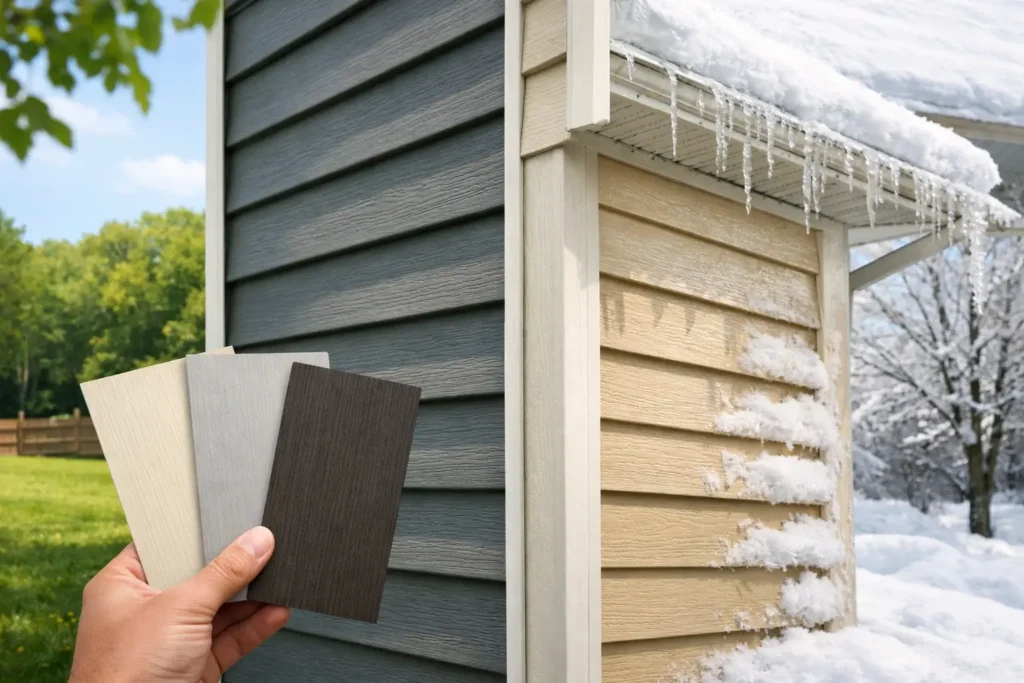
A siding decision is usually made when a property starts showing its age: faded panels, loose edges after wind, moisture around trim, or a utility bill that keeps creeping up. In Southwestern Pennsylvania, siding has to do more than improve curb appeal. It needs to handle wet springs, summer heat, freeze-thaw cycles, snow, wind, and the day-to-day wear that comes with a working home, garage, farm building, or commercial property.
The right choice depends on the structure, the budget, the amount of maintenance you are willing to take on, and what is behind the existing exterior. A material that works well on a ranch home may not be the best fit for a pole building or shop. Starting with those practical details helps prevent an expensive decision based only on color or initial price.
What Good Siding Has to Do
Exterior cladding is part of the building’s weather-defense system. It sheds water, protects wall framing, covers insulation, and gives the structure a finished appearance. When the system is installed correctly, it also allows moisture that gets behind the outer surface to drain and dry rather than becoming trapped in the wall.
That last point matters. New panels alone cannot correct rotten sheathing, poorly flashed windows, missing housewrap, or water entering at roof-to-wall intersections. Before installation begins, the wall condition should be evaluated. Replacing damaged material and addressing water paths first is less costly than removing new exterior panels later to repair hidden problems.
For heated homes and finished commercial spaces, siding work can also be a good time to review insulation and air sealing. The exterior surface is only one part of comfort and energy performance. A contractor or supplier who understands the full assembly can help identify where a project will benefit from upgrades and where they are unnecessary.
Comparing Siding Materials for Local Properties
There is no single best material for every building. The useful question is which material delivers the right balance of cost, appearance, maintenance, and long-term performance for your property.
Vinyl siding
Vinyl remains a practical option for many homes because it is affordable, available in many colors and profiles, and requires little routine maintenance. It does not need painting, and cleaning is generally straightforward. Quality varies, however. Thin, low-cost panels can be more vulnerable to cracking in cold weather or damage from impacts. Proper installation also matters because vinyl expands and contracts with temperature changes.
Vinyl can be a sound choice for a homeowner who wants a traditional residential look and a manageable project budget. It may be less appealing where heavy equipment, livestock activity, or repeated impact is expected near the walls.
Fiber cement and engineered wood
Fiber cement can provide the appearance of painted wood with good resistance to rot and insects. It is a popular choice when a property owner wants a more substantial, traditional exterior. The trade-off is weight, installation complexity, and the need for periodic painting or finish maintenance.
Engineered wood products can offer a warm, detailed look with lower installation weight than fiber cement. Product quality, edge treatment, flashing, and finish maintenance make a real difference. These materials can perform well, but they reward careful installation and a homeowner who will stay ahead of caulking and paint touch-ups.
Metal siding
Metal siding is a strong fit for garages, agricultural structures, workshops, pole buildings, and many commercial properties. It is durable, low-maintenance, and available in profiles that range from classic ribbed panels to more refined architectural styles. For building owners who value long service life and straightforward upkeep, it deserves serious consideration.
Metal is not automatically the lowest-cost choice after trim, fasteners, closures, and installation are included, but it can offer excellent value over time. The panel gauge, coating quality, fastening pattern, and details at corners, eaves, openings, and the base of the wall all affect performance. A quality panel installed with the right components will look better and hold up longer than a bargain material installed without the necessary details.
Match the Material to the Building’s Job
A house exterior is judged heavily on appearance, neighborhood fit, and insulation performance. A detached garage may need a tougher finish that can handle bikes, tools, lawn equipment, and weather exposure. A farm building may put durability, washability, and long spans ahead of decorative detail. A small business often needs an exterior that looks professional without creating a high-maintenance obligation.
That is why the project should begin with how the building is used. Consider which walls receive the most wind and rain, whether snow piles against the structure, whether the area is accessible to equipment, and how easily future repairs can be made. Also think about additions. If a garage, porch, or lean-to may be built later, selecting a color and profile that will still be available is worth discussing early.
Color deserves attention, but not just for appearance. Dark colors can show dust and surface irregularities more readily. Light colors can make a smaller structure feel larger but may show mud splash near grade. For metal panels, color consistency across panels, trim, and future additions should be planned with the supplier rather than assumed.
Installation Details That Protect the Investment
Most siding problems are installation problems before they are material problems. Water follows openings, seams, and improperly finished transitions. Wind finds panels that are loosely fastened or trim that was not secured correctly.
Windows and doors need properly integrated flashing. Roof-to-wall connections need kick-out flashing where appropriate so water does not run behind the exterior finish. Bottom edges need clearance from soil, mulch, and standing water. Caulk belongs in specific joints, but it is not a substitute for proper flashing or a drainage plane.
Ventilation and trim details also deserve a close look. Soffit, fascia, corner trim, J-channels, closures, and flashing may seem like smaller line items, yet they determine whether an exterior looks finished and stays protected. Ask what components are included in the estimate. Comparing only the price per panel can hide important differences in the scope of work.
For metal systems, confirm how panels will be fastened, how cut edges will be handled, and where seams fall. For vinyl, ask how the installer will allow for expansion and whether damaged sheathing will be replaced if found. For fiber cement or engineered wood, clarify painting, sealing of cut ends, and the maintenance expectations after the project is complete.
Plan the Budget Around the Whole Exterior
A realistic siding budget includes removal and disposal of existing material, wall repairs, weather barrier work, trim, flashing, insulation upgrades if needed, and access requirements. A one-story rectangular wall is very different from a tall structure with multiple windows, doors, bump-outs, gables, and hard-to-reach areas.
The least expensive quote may exclude the very work that prevents future repairs. On the other hand, the highest price is not automatically proof of better materials or workmanship. A clear proposal should identify the material type, panel or board profile, color, trim package, preparation work, and who is responsible for unexpected wall damage discovered after removal.
If a project must be phased, prioritize the walls with active leaks, deterioration, or the greatest weather exposure. Matching materials later is often possible, but it is easier when the product line, color, and trim style are documented from the start.
When to Repair and When to Replace
A few cracked panels, loose trim pieces, or localized impact damage may justify repair. Replacement becomes more sensible when the exterior has widespread fading, repeated moisture damage, failing seams, warping, or frequent repair needs. If a roof replacement, window project, or insulation work is already planned, coordinating the exterior work can reduce duplicated labor and prevent detail conflicts.
For property owners in Westmoreland, Somerset, and Fayette counties, local guidance matters because the same material can perform differently based on site exposure and building use. Tri County Door & Builders can help homeowners, contractors, and building owners compare material options, components, and installation needs without forcing every project into the same package.
A good exterior should look right on day one, but its real value shows up after years of rain, snow, wind, and daily use. Choose siding based on the building’s actual demands, insist on proper preparation and flashing, and give yourself a solution you will not have to second-guess each season.