




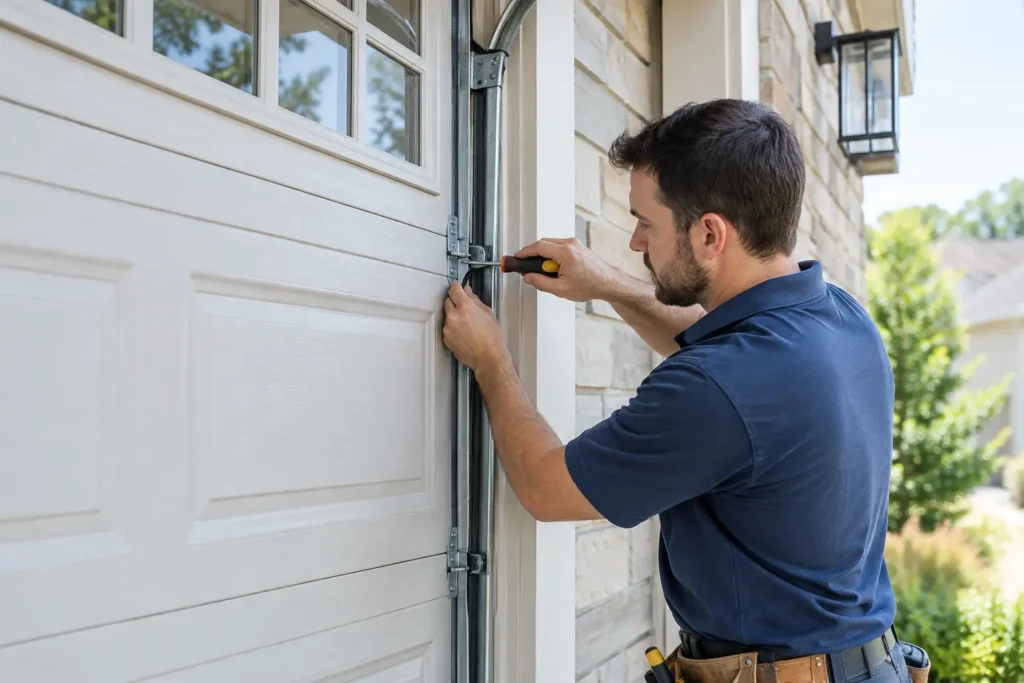
A garage door can look fine from the driveway and still be one hard rain, cold morning, or rushed trip to work away from failing. For homeowners and business owners evaluating Greensburg doors, the real question is not simply which door looks best. It is whether the door, hardware, opener, and installation are prepared for the way the building is used every day.
A dependable garage door protects vehicles, tools, inventory, and the building itself. It also affects curb appeal, energy loss, security, and access. Choosing the right solution starts with an honest look at what is wrong now, what the door needs to do, and whether repair or replacement provides the better long-term value.
Start With the Problem, Not the Product
A noisy garage door is not always a door problem. Squealing may come from dry rollers or hinges. A door that stops halfway could point to photo eyes, an opener setting, damaged tracks, or a worn spring. If the door is heavy to lift by hand, moves unevenly, or slams shut, the issue may be more serious.
The best repair decisions begin with a full inspection of the operating system. That includes the sections and panels, tracks, rollers, cables, springs, hinges, bottom seal, opener, and safety sensors. Replacing one visible part without identifying the source of the problem can lead to repeat service calls and more expense later.
Springs and cables deserve particular caution. They operate under significant tension and should be handled by trained technicians. A do-it-yourself repair may seem like a way to save money, but a mistake can cause injury or additional damage to the door and opener.
When Garage Door Repair Makes Sense
Repair is often the practical choice when the door is structurally sound and the issue is limited to a serviceable component. A broken spring, worn rollers, bent hinge, misaligned sensor, damaged weather seal, or opener problem does not automatically mean the entire door needs to be replaced.
For example, a relatively new insulated steel door with a broken spring can usually be restored to reliable operation with the right replacement part and adjustment. Replacing cracked perimeter weatherstripping can reduce drafts, water intrusion, and debris without requiring a new door. An opener that reverses unexpectedly may only need sensor alignment, travel-limit adjustment, or a closer look at the door balance.
Repair is especially worthwhile when the existing door still matches the building, operates smoothly after service, and has no widespread corrosion or panel damage. It also makes sense for property owners who need a prompt solution while planning a larger renovation later.
That said, the lowest immediate cost is not always the lowest cost over time. If parts are failing repeatedly, the door is increasingly difficult to operate, or the opener is working harder because the door is out of balance, continued repairs can become a poor investment.
Signs It Is Time to Replace Greensburg Doors
Replacement becomes the better option when the door can no longer provide dependable security, weather protection, or safe operation. One dented panel may be replaceable on some door models. Multiple damaged panels, sagging sections, severe rust, or a compromised bottom rail often make a new door more sensible.
Consider replacement if any of these conditions are present:
- The door has repeated breakdowns or needs major repairs more than once.
- Panels are cracked, warped, rusted through, or badly damaged by impact.
- The door is difficult to balance, binds in the tracks, or will not stay in position.
- Gaps around the door allow wind, water, pests, or cold air into the garage.
- The existing door is uninsulated and attached to a conditioned living or work space.
- Safety features, security, or dependable access are no longer meeting the property’s needs.
A replacement door is also an opportunity to correct an earlier compromise. Many older garages have a basic door that was chosen only for price. A better-fit replacement can improve insulation, reduce outside noise, add wind resistance, and give the front of the property a more finished appearance.
Choose a Door for How the Building Is Used
The right garage door for a detached backyard garage is not necessarily the right door for a heated workshop, agricultural building, auto service bay, or commercial storage area. Start with daily use, exposure, opening size, and the value of what is kept inside.
Material and construction
Steel garage doors are a common choice because they offer strength, a broad range of styles, and practical maintenance. They can suit traditional homes, newer construction, workshops, and many commercial applications. The gauge and construction matter, particularly when the door will see frequent operation or greater exposure to wind and weather.
Wood can provide a distinct appearance, but it requires more upkeep and may not be the best fit for every property. Aluminum and glass designs can bring in natural light and create a contemporary look, though they involve trade-offs in insulation, privacy, and cost. For most working garages and utility buildings, durability and serviceability should carry more weight than appearance alone.
Insulation and weather protection
Insulation matters most when the garage shares a wall with the home, contains a workshop, stores temperature-sensitive equipment, or has living space above it. An insulated door can help moderate temperature swings, but it cannot solve every comfort problem by itself. Wall insulation, air sealing, windows, and the condition of the roof also affect how the space performs.
Look beyond the advertised insulation value. A well-installed door with quality section joints, bottom weather seal, and perimeter sealing is better positioned to keep out drafts and blowing rain. In Southwestern Pennsylvania, where cold periods, wet weather, and seasonal temperature changes are part of normal ownership, those details have real value.
Style, windows, and color
A garage door occupies a large part of a home’s exterior. It should complement the siding, roof color, trim, and overall style without overwhelming them. Raised-panel steel doors remain a reliable choice for many homes, while carriage-house designs can add character to farmhouses and traditional properties. Flush-panel doors often suit clean, modern exteriors.
Windows can improve daylight inside the garage and soften the appearance from the street. The trade-off is reduced privacy and a modest change in insulation performance. For garages used as workshops, windows placed higher on the door can provide light while keeping stored items less visible.
Do Not Overlook the Opener and Hardware
A new door should be paired with an opener that matches its size, weight, and use. An opener is not designed to force a poorly balanced door up and down. Proper springs, cables, tracks, and roller condition come first.
For homes, quiet operation may be a priority when the garage is near bedrooms or living areas. For businesses and farm properties, cycle frequency, opening speed, controls, and durability may matter more. Keypads, remote access features, battery backup, and integrated lighting can be useful, but only if they serve the way the property is actually used.
Commercial and agricultural openings may require heavier-duty operators, different track configurations, or doors built for larger widths and heights. A door supplier with installation experience can identify clearance issues, headroom requirements, and operational demands before materials are ordered.
Get Measurements and Installation Right
Garage door replacement is not a purchase where “close enough” measurements work. The opening width and height are only part of the job. Side room, headroom, backroom, floor condition, framing, track type, and obstructions such as lights, ductwork, or shelving all affect what can be installed correctly.
An experienced installer can also flag concerns that are easy to miss, including deteriorated jambs, an uneven floor, inadequate attachment points, or a door opening that has shifted over time. Addressing those items before installation helps the new system operate properly from the first day.
For property owners handling part of a project themselves, professional guidance can still prevent costly ordering errors. Tri County Door & Builders works with homeowners, contractors, farms, and commercial customers who need practical options, dependable installation, and service support after the job is complete.
A Better Next Step for Your Garage Door
If your door is noisy, slow, damaged, drafty, or unreliable, do not wait for it to fail completely on a day when you need access most. Arrange an assessment, ask what can realistically be repaired, and compare that cost against a replacement built for the building and the way you use it. A properly selected and installed door should make coming and going easier, protect what matters inside, and give you one less property problem to worry about.