




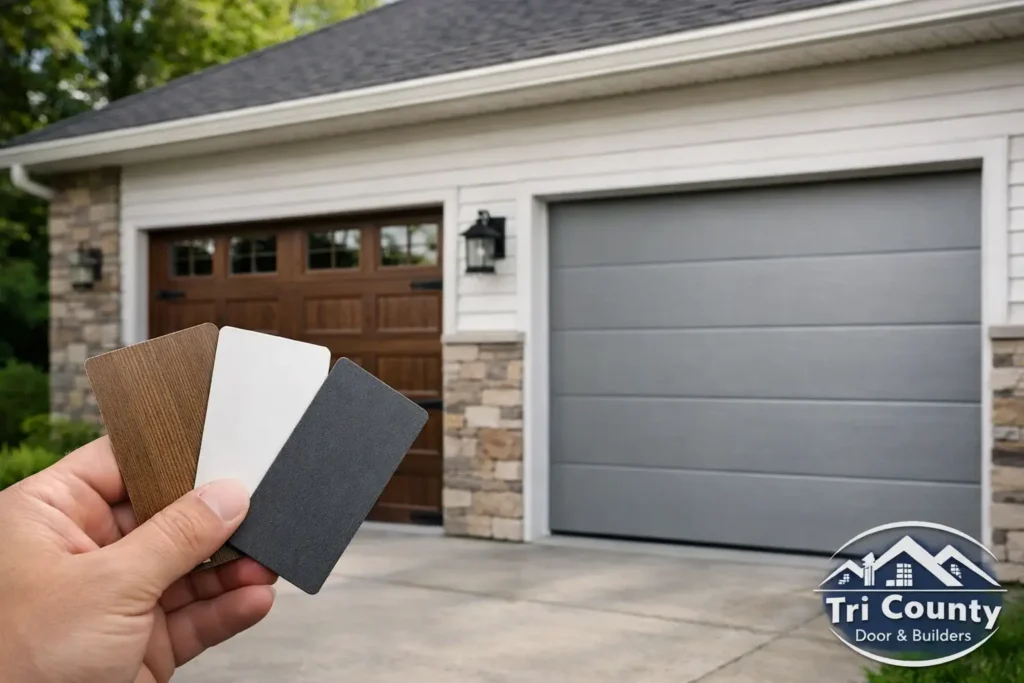
A garage door has one job until the day it doesn’t open, doesn’t seal, or doesn’t hold up to weather the way you expected. That is usually when people start asking how to choose garage doors, but the better time is before you buy. The right door affects curb appeal, daily convenience, energy use, security, and long-term repair costs.
If you are replacing an older door or planning a new build, it helps to look past the showroom appearance. A good garage door should fit the building, handle local weather, and make sense for how you actually use the space. For some property owners, that means a quiet insulated door attached to the house. For others, it means a durable commercial-grade option for a workshop, farm building, or equipment bay.
How to Choose Garage Doors for Real-World Use
Start with the way the garage functions day to day. If it is attached to your home and used as a main entry point, insulation, quiet operation, and dependable openers matter more than they do on a detached storage building. If the door is for a pole building, shop, or agricultural structure, you may care more about width, clearance, durability, and ease of service.
This is where many buyers get off track. They focus on style first and performance second. Appearance matters, but a door that looks good and fits poorly, dents easily, or leaves gaps in winter is not a good value.
Think about the basics before you compare models. How often will the door open each day? Will vehicles, trailers, lawn equipment, or deliveries require extra height or width? Does the garage stay heated? Is the building exposed to wind, snow, and temperature swings? Those answers narrow the field quickly.
Residential and commercial needs are not the same
A homeowner may want a carriage-house look with windows and insulation. A small business owner may need a stronger door that can handle heavier cycles and more wear. A contractor or farmer may be focused on getting the right opening size and a finish that stands up to daily use without constant upkeep.
There is no one-size-fits-all answer, and that is exactly why choosing the door should start with function.
Material affects cost, upkeep, and lifespan
One of the biggest decisions is material. Steel is popular for good reason. It is durable, widely available, and works well in many residential and commercial settings. It can also be insulated and finished in styles that suit both traditional and modern buildings.
Wood has natural character, but it usually comes with more maintenance. It can be a strong visual choice on the right home, but it is often less practical for owners who want lower upkeep. In a region with moisture, seasonal change, and winter weather, maintenance expectations should be part of the decision.
Aluminum doors are lighter and can work well for certain modern looks, but they may be more prone to denting. Vinyl and composite options can be useful in some applications, especially where corrosion resistance or reduced maintenance matters, though style and structural needs still need to be checked carefully.
In most cases, steel gives property owners the best balance of affordability, durability, and design flexibility. That does not mean it is always the best answer. It means it is often the most practical place to start.
Insulation matters more than many buyers expect
If your garage is attached to the home, insulation deserves serious attention. An insulated door can help moderate temperature swings, reduce outside noise, and improve comfort in rooms next to or above the garage. It can also make the door feel more solid during operation.
For detached garages, workshops, and commercial spaces, insulation depends on how the building is used. If the space is heated, used year-round, or stores temperature-sensitive items, insulation is usually worth the added cost. If it is strictly cold storage, you may decide to put the budget elsewhere.
Understanding door construction
A single-layer door is usually the most economical, but it offers the least insulation and less noise control. Double-layer and triple-layer doors add insulation and backing materials that improve strength and performance. In plain terms, a better-built door often feels sturdier, runs quieter, and holds up better over time.
This is one of those areas where the lowest upfront price can cost more later. A bargain door may save money on day one, but if it struggles with temperature, dents easily, or wears out faster, it stops being a bargain.
Style should match the building, not fight it
Once the practical decisions are made, style becomes easier. The right garage door should look like it belongs with the rest of the property. Panel design, window placement, color, and hardware all matter, but they should support the overall look of the home or building rather than dominate it.
Traditional raised-panel doors fit many homes well. Carriage-style doors can add character, especially on farmhouses, custom homes, and some detached garages. Flush-panel and full-view designs lean more modern. Commercial buildings often call for a cleaner, more functional appearance.
Windows can improve the look of the door and bring in natural light, but they are not always the right choice. They may reduce privacy and can affect insulation depending on the design. If security or heat retention is a high priority, fewer windows may be the better call.
Size, track setup, and opener compatibility
A garage door can only perform well if it fits the opening correctly and works with the structure around it. That sounds obvious, but measurements and track requirements are common trouble spots. Headroom, side room, backroom, and lift type all matter.
For taller vehicles, lifted trucks, work vans, or trailers, standard sizing may not be enough. The same goes for commercial or farm buildings that need larger openings. Ordering the wrong size or overlooking track clearance can delay installation and create unnecessary cost.
The opener matters too. Heavier insulated doors may need a stronger opener. If the garage is below a bedroom or near living space, noise level should be part of the decision. Belt-drive systems are often quieter, while chain-drive systems are often valued for toughness and price. Again, it depends on the setting.
Security and weather sealing deserve attention
A garage door is one of the largest moving parts on a property, and often one of the biggest access points. Security features are worth reviewing before you buy. Strong locking systems, quality hardware, opener safety technology, and durable construction all help protect the building.
Weather sealing is just as important in Western Pennsylvania conditions. Bottom seals, perimeter weatherstripping, and proper installation help keep out drafts, rain, debris, and pests. Even a quality door can underperform if the seal around it is poor.
This is where experienced local guidance makes a difference. A door that looks similar on paper can perform very differently once weather, building exposure, and installation quality come into play.
How to choose garage doors without overspending
The best value is not always the cheapest door, and it is not always the top-tier model either. It is the door that fits your building, use, and budget without creating avoidable problems later.
If you are trying to control costs, decide where performance matters most. For an attached garage, spend more on insulation and quiet operation. For a detached utility building, a simpler durable door may be enough. For a business, reliability and serviceability may matter more than decorative upgrades.
Ask what is included in the price. Hardware quality, spring cycle rating, insulation level, finish, warranty, and installation all affect the total value. A low quote can leave out details that matter once the door is in service.
Tri County Door & Builders has worked with homeowners, builders, and property owners long enough to know that the right recommendation is not always the most expensive one. Good guidance should help you avoid overbuying just as much as underbuying.
When professional installation is the smarter move
Some buyers are comfortable handling measurements and product selection, especially for straightforward replacements. But many garage door issues start with improper sizing, poor alignment, or spring and track problems during installation. Those mistakes can affect safety, operation, and warranty coverage.
Professional installation is especially worth considering for larger doors, insulated models, custom openings, and commercial applications. It can also save time and frustration if the project involves opener replacement, framing adjustments, or weather sealing.
A dependable installer should be able to explain your options clearly, point out trade-offs, and recommend a door based on the building’s actual needs. That is usually a better experience than getting pushed toward whatever happens to be easiest to sell.
Choosing a garage door comes down to one practical question: what will still make sense five or ten years from now? If you buy with daily use, weather, maintenance, and fit in mind, you are far more likely to end up with a door that works the way it should long after the new-door shine wears off.