




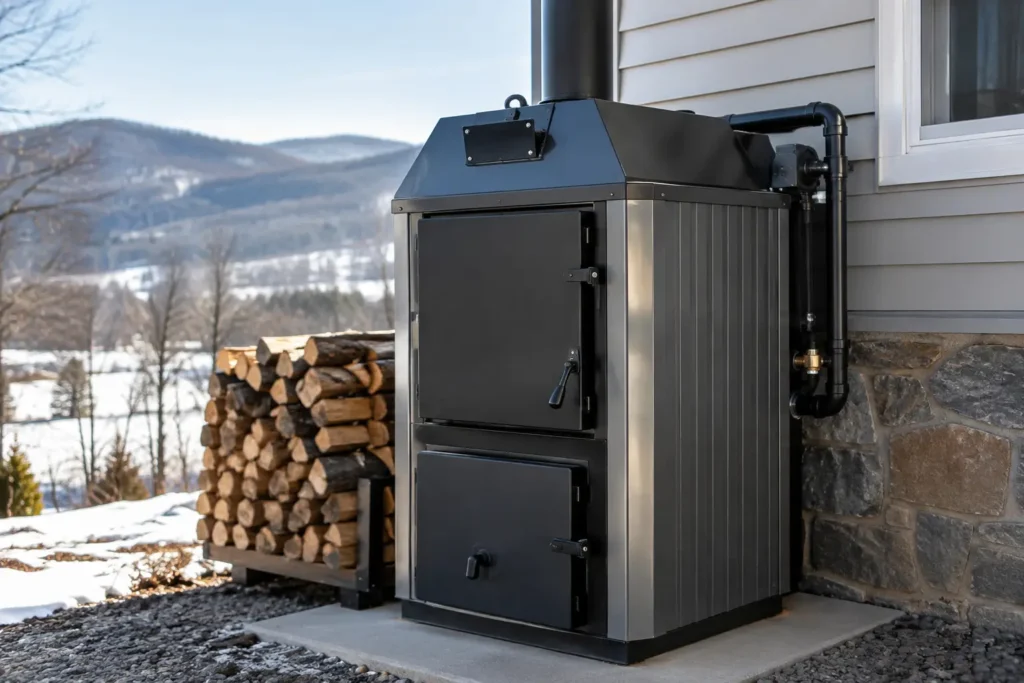
A Keystoker can be an appealing answer when winter heating bills keep climbing and a property has access to dependable anthracite coal. These systems are built to provide steady, automatic coal heat for homes, garages, workshops, farm buildings, and other spaces that need more than a small supplemental stove. But coal heat is not a hands-off decision. The right choice depends on the building, fuel availability, installation requirements, and how much regular maintenance the owner is willing to handle.
For property owners in Southwestern Pennsylvania, that decision also needs to account for real winter conditions, older homes with uneven insulation, detached buildings, and the distance between reliable fuel suppliers. A Keystoker may deliver dependable heat and long burn times, but it should be selected as part of a complete heating plan rather than as a quick equipment swap.
What Is a Keystoker?
Keystoker is a manufacturer of anthracite coal heating equipment, including stoves, furnaces, boilers, and related heating systems. Most models use a stoker mechanism that automatically feeds coal onto a grate at a controlled rate. As coal burns, ash moves toward an ash pan, while a blower distributes heat through the room, ductwork, or hydronic system.
That automatic feed is the practical difference between a stoker unit and a traditional hand-fired coal stove. Instead of tending a fire several times a day, the owner fills a hopper and lets the unit meter fuel as heat is needed. The exact burn time depends on the model, outside temperature, thermostat setting, building heat loss, and hopper size, but a properly sized unit can reduce the daily effort required to heat with coal.
Keystoker equipment is generally associated with anthracite coal, a hard coal valued for its high heat content and relatively clean burn compared with other coal types. It is not interchangeable with every fuel. Using the specified fuel size and type matters for reliable feeding, safe operation, and equipment longevity.
Where a Keystoker Makes Sense
A coal stoker system is often most appealing for owners who have a consistent heating demand and want a fuel option that is separate from natural gas or heating oil. A well-insulated garage used year-round, a workshop, a rural home, or an agricultural building can all be candidates when the system is appropriately sized.
Boiler models can be especially useful where a property already has baseboard heat, radiators, or another hydronic distribution system. Rather than replacing the entire heating layout, a coal boiler may be integrated into an existing setup by a qualified professional. Furnace models can make sense for buildings with usable ductwork, while stove models are typically best for heating a central open area or providing supplemental warmth near the unit.
The building itself matters as much as the heater. A tight, insulated structure holds heat and allows equipment to operate more predictably. An older garage with unsealed overhead doors, exposed framing, and little ceiling insulation can consume a great deal of fuel regardless of the heating source. Before buying a larger unit, address obvious air leaks and insulation gaps. In many cases, improving the building envelope lowers fuel use more effectively than simply adding heating capacity.
The Real Trade-Off: Fuel Savings vs. Daily Responsibility
The cost of heating with a Keystoker depends heavily on local anthracite pricing and the property’s heat demand. Coal can offer predictable value when purchased from a reliable regional supplier, particularly for buildings that would otherwise use expensive electric resistance heat, propane, or oil. Still, fuel savings are not guaranteed from one property to the next.
Coal heat also brings responsibilities that do not come with many modern gas systems. The hopper needs to be filled, ash needs to be removed, and the unit needs regular inspection. During periods of heavy use, ash removal may be required every day or two, depending on the appliance and burn rate. Coal should be stored dry and close enough to the equipment that filling the hopper remains practical during snow and cold weather.
There is also a labor question. Some owners appreciate the independence and routine of managing their fuel supply. Others would rather pay more for a system that requires less attention. Neither approach is wrong, but it is better to be honest about the workload before committing to coal heat.
Keystoker Installation Is Not a DIY Shortcut
A stoker unit has electrical, venting, combustion-air, clearance, and chimney requirements. Installation needs to follow the manufacturer’s instructions, local building requirements, and the appliance’s listed clearances from combustible materials. A unit that is oversized, poorly vented, or connected to an unsuitable chimney can create performance problems and serious safety risks.
Start by determining the building’s heat loss rather than choosing equipment based only on square footage. Ceiling height, insulation level, windows, air leakage, attached or detached construction, and desired indoor temperature all affect the calculation. A 1,200-square-foot insulated shop is very different from a 1,200-square-foot drafty farmhouse or high-ceiling equipment building.
The chimney or venting path deserves equal attention. Existing masonry chimneys may need inspection, cleaning, repair, or a properly sized liner before being used with a coal appliance. Direct vent and power vent options may be available for certain equipment, but they still require correct placement, electrical service, and clearance from doors, windows, and other building openings.
A qualified installer can also help plan for backup heat and power interruptions. Stoker systems rely on electricity for feed motors and blowers. If outages are common in your area, consider how the system will be managed during a prolonged loss of power and whether backup power is appropriate for the appliance.
Maintenance That Protects Performance
A Keystoker works best when routine care is treated as part of ownership, not an occasional chore. Ash buildup can restrict airflow and reduce heating efficiency. A neglected ash pan can also make cleanup harder and increase the chance of hot ash being handled unsafely.
During the heating season, check the ash pan, hopper level, and visible operation of the feed and blower components on a regular schedule. Keep the area around the appliance clear of boxes, gasoline, solvents, sawdust, and other combustibles. Ash should be placed in a metal container with a lid and kept on a noncombustible surface away from the building until it is fully cooled.
At the end of the season, clean ash from the appliance and venting system as directed by the manufacturer. Coal ash can attract moisture, and leaving it in place for months can contribute to corrosion. Annual professional service and chimney inspection are sensible investments, especially before the first sustained cold weather arrives.
Carbon monoxide alarms are required protection, not an optional accessory. Install working alarms on every level of the home and near sleeping areas, test them regularly, and replace units according to the manufacturer’s schedule. If an alarm sounds or anyone feels symptoms such as headache, dizziness, or nausea, leave the building and seek emergency help.
Questions to Settle Before You Buy
Before selecting a Keystoker, confirm that you have a practical coal supplier and enough dry storage for a meaningful amount of fuel. Ask about the exact coal size required by the model and how deliveries or pickup will work during winter. A good heating plan should not depend on scrambling for fuel after the first hard freeze.
Next, decide whether the unit will serve as primary heat, supplemental heat, or heat for an outbuilding. Primary heating demands more attention to sizing, backup arrangements, and dependable fuel inventory. Supplemental heat can be a good fit when the goal is to keep a workshop comfortable or reduce the load on another system.
Finally, look at the entire property rather than the appliance alone. Proper insulation, reliable garage doors, weatherstripping, safe venting, and a realistic maintenance plan give any heating system a better chance of performing well. For a home, farm, or shop in Westmoreland, Somerset, or Fayette County, practical local guidance can help sort through those details before money is spent on equipment.
The best coal heating decision is the one that fits the building and the owner’s routine for many winters ahead. Start with a heat-loss assessment, verify your fuel and venting options, and make improvements that keep the heat you pay for inside the building.